Vacuum Membrane Press Glue+non-toxic, Good Spray Performance, Excellent Bonding Performance, Excellent Heat Resistant
• Low-VOC water-based formula
• RoHS & REACH compliant
• Heat resistance up to 100°C continuous
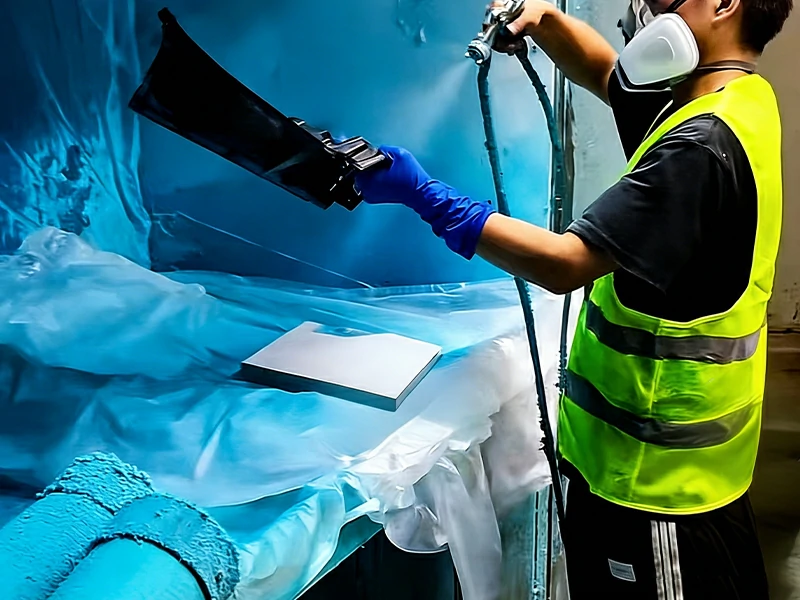
• Fast spray & vacuum curing for consistent automotive interior bonding
Introduction & Details
In vacuum membrane pressing for automotive interiors, adhesives must bond leather, fabric, or synthetic skins to foam, plastics, and composites. Weak initial adhesion can cause lifting, bubbling, or peeling—especially under high temperatures (80–100°C+). Continuous vibration (NVH) leads to fatigue, cracking, or delamination, while mismatched materials (e.g., ABS/PP vs. metal/foam) create stress that increases failure risk. Conventional adhesives often struggle with heat, aging, UV, and chemical resistance, and solvent-based types bring VOC and odor concerns, along with process inconsistencies.
Specialized vacuum membrane press adhesives solve these issues with low-VOC water-based formulations, strong initial tack, heat resistance up to 100°C, excellent damping for NVH, reliable bonding across mixed substrates, and stable spray/cure performance—ensuring durable, consistent, and compliant production for modern automotive interiors.

Stable adhesion performance during heating and vacuum forming processes

High temperature resistance, suitable for automotive interior environments

Controlled open time suitable for automated and semi-automated production lines

Consistent bonding strength across common automotive interior substrates and films

Adhesive Types for Automotive Interior Applications
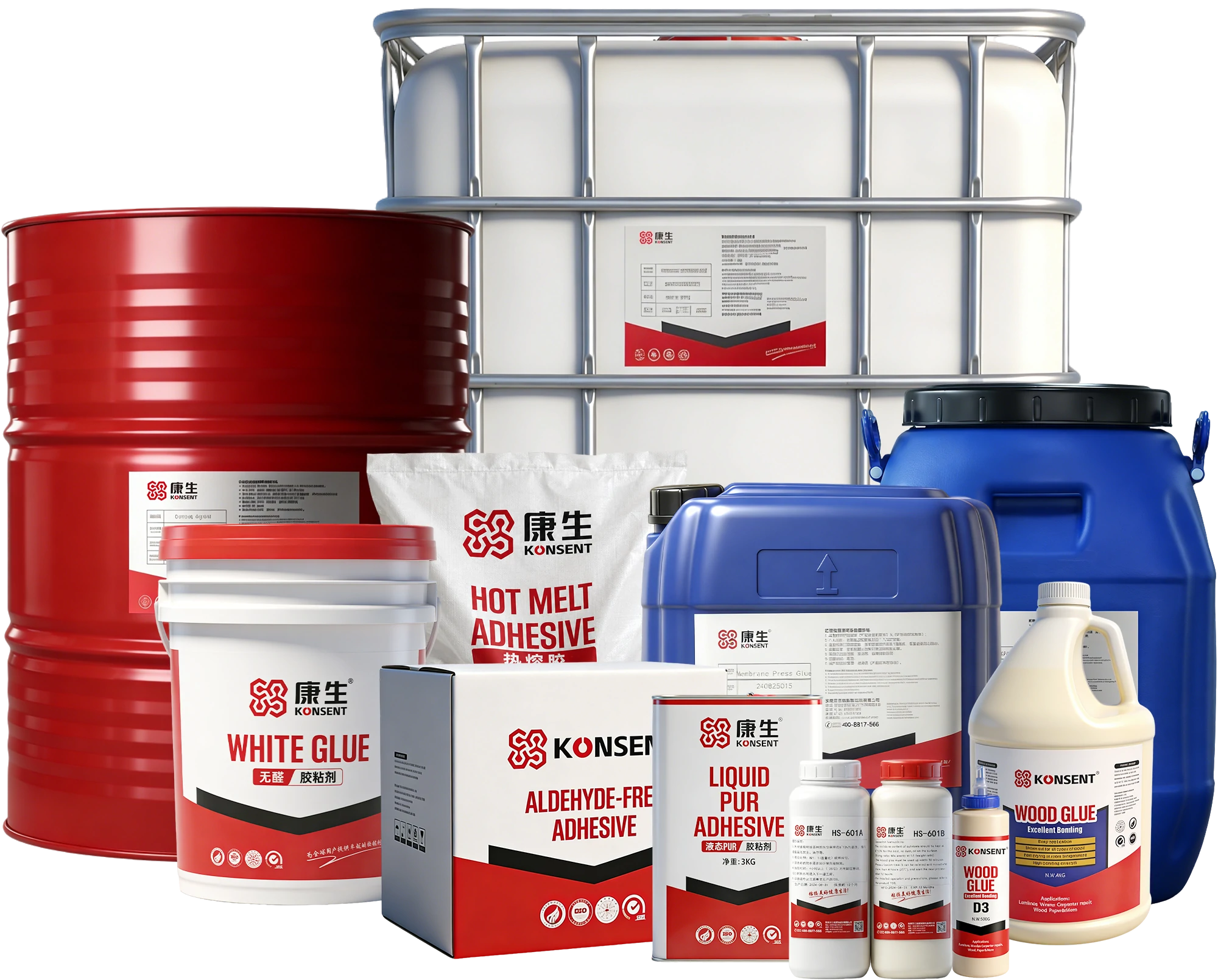
Vacuum Membrane Press Adhesive
Hardener
Materials We Bond / Material Compatibility
This adhesive is specially designed for commonly used automotive interior substrates and surface films, providing stable bonding under heating, forming, and long-term in-vehicle use conditions.
This vacuum forming adhesive is designed for common automotive interior substrates and surface films, supporting stable bonding under heating, forming, and long-term in-vehicle conditions. It demonstrates resistance to elevated temperatures, aging, and vibration typically encountered in interior applications. The formulation is compatible with ABS, PVC, modified PP (with pretreatment), MDF, PVC films, and PU artificial leather. Stable batch supply, material compatibility reports, and support for automotive validation requirements are available to ensure repeatable mass production performance.
Composite Materials
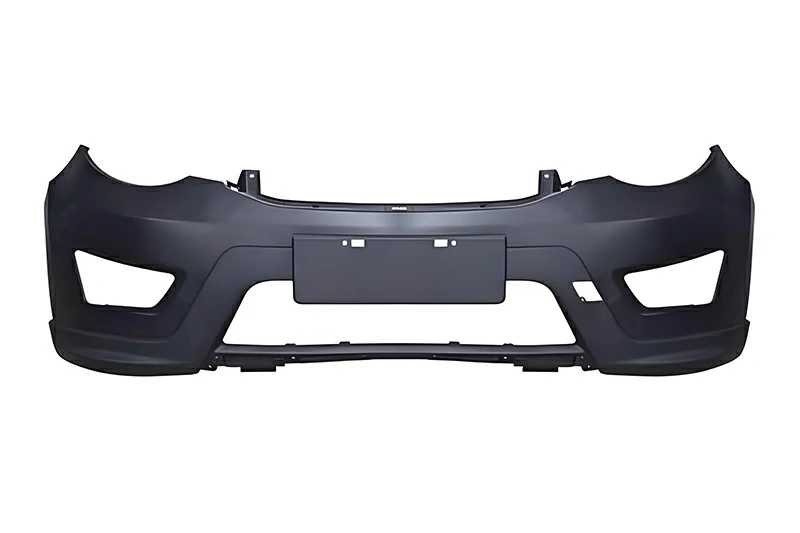
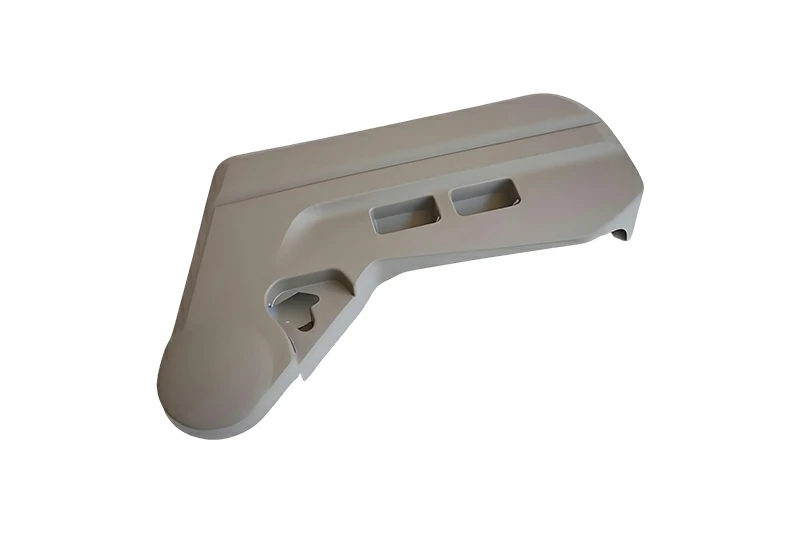
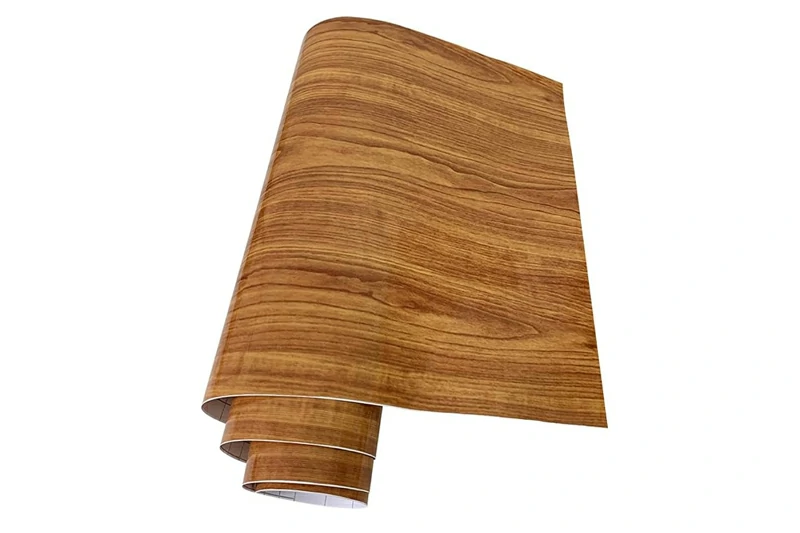
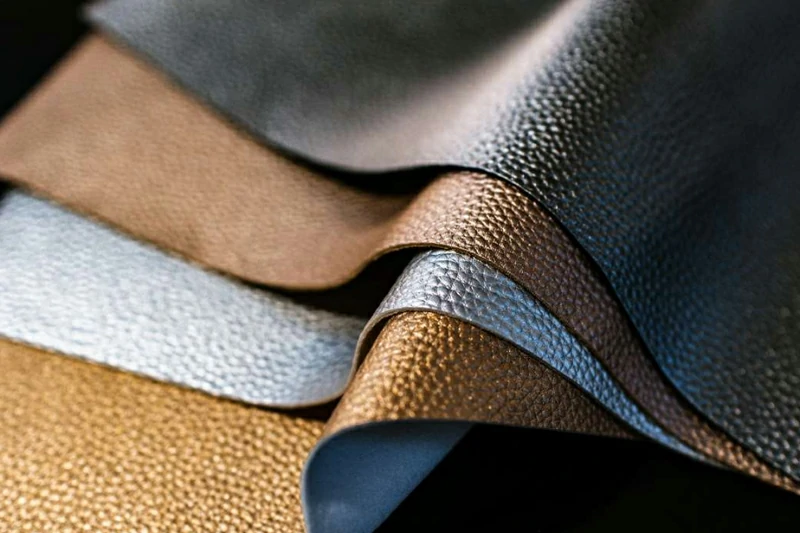
ABS/PPPlastic Bottom Casing, Leather, Wood Grain PVC Foil.


Applications
High-performance adhesives for reliable automotive interior bonding applications.


Surface Preparation & Coating Compatibility
Corona Treatment
Flame Treatment
Primer Coating
Mechanical Roughening
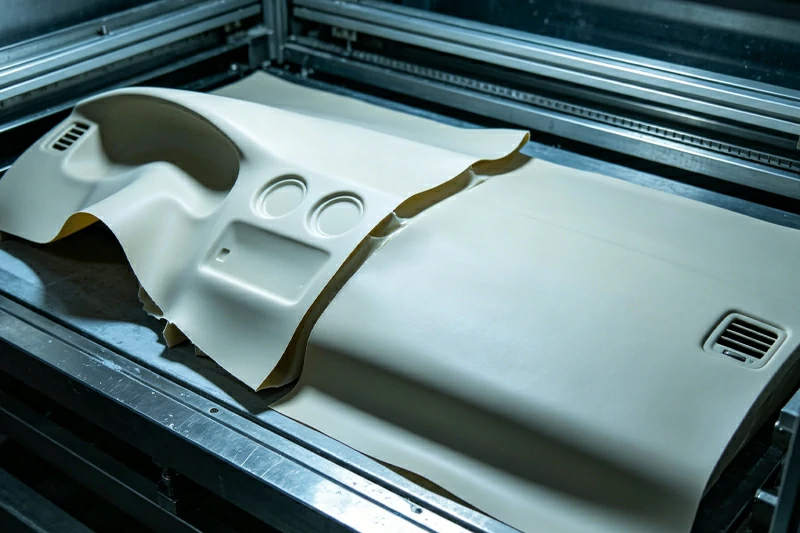
Adhesive Performance & Standards
| Curing Time | 2-4 hours |
| Bond Strength | Strong |
| Activation temperature | 55~60℃ |
| Glue-spread | It is recommended 65±2g/㎡ on the flat,90±10g/㎡ on the Edges and groove part. |
Recent Projects / Case Studies
Solution:A vacuum forming adhesive with controlled penetration characteristics was selected. By optimizing adhesive viscosity and application thickness, surface appearance was maintained while achieving stable bonding strength, meeting durability requirements for long-term interior use.
Solution:The vacuum forming adhesive was matched with adjusted open time and forming temperature. Uniform adhesive distribution and controlled forming conditions ensured stable bonding across the entire surface, enabling consistent quality in batch production.
Product Advantages
At KONSENT, “manufacturing” transcends mere production. It embodies a global perspective and intelligent systems that deliver unparalleled quality control and rapid delivery. Our manufacturing prowess is the cornerstone of your confidence in global operations.

Defined Process Compatibility
The vacuum membrane press adhesive is engineered for automotive interior thermoforming and vacuum lamination processes. It maintains controlled open time and stable tack during heating, forming, and cooling stages. This allows reliable integration into automated or semi-automated production lines with reduced process variation.

Long-Term Bonding Stability
The adhesive is designed to withstand typical in-vehicle conditions, including elevated temperatures, thermal cycling, and vibration. After forming, the adhesive layer retains flexibility and interfacial integrity, supporting consistent bonding performance throughout the service life of automotive interior components.

Repeatability and Engineering Support
Consistent formulation control ensures stable performance across production batches. Material compatibility data, process recommendations, and validation support are available to assist customers during trial and mass production phases, helping achieve repeatable bonding results under standard automotive manufacturing conditions.
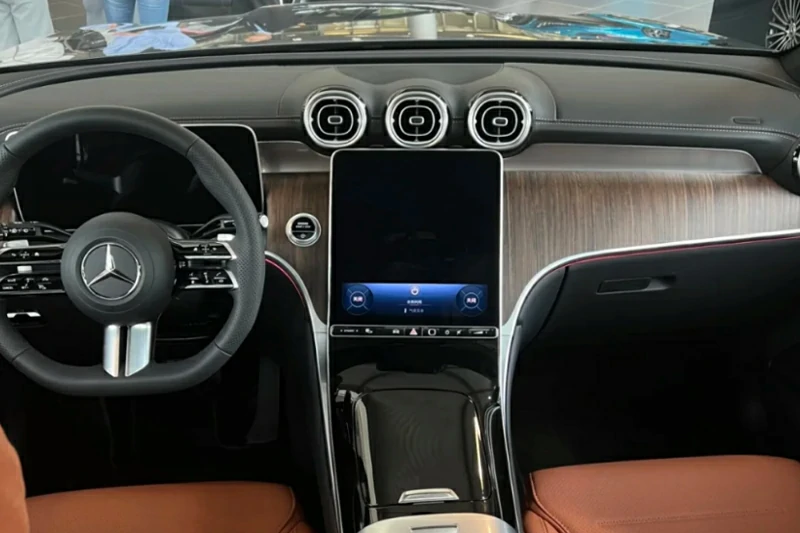
Application Scenarios
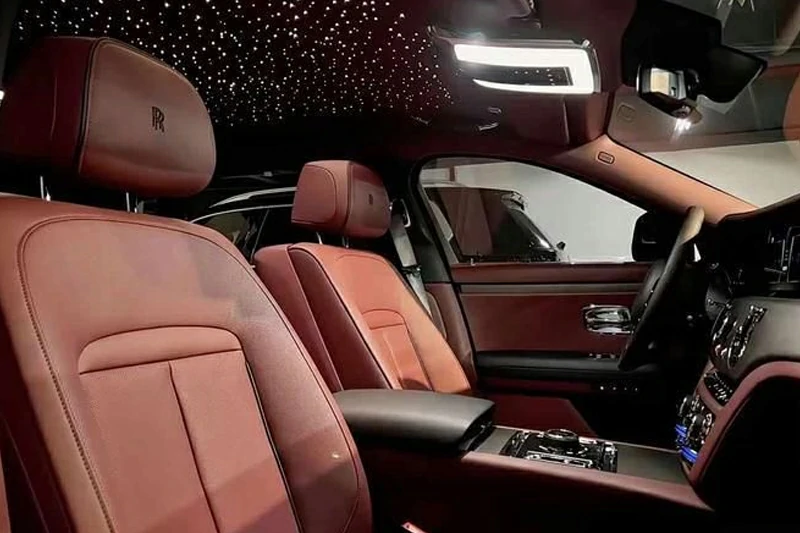
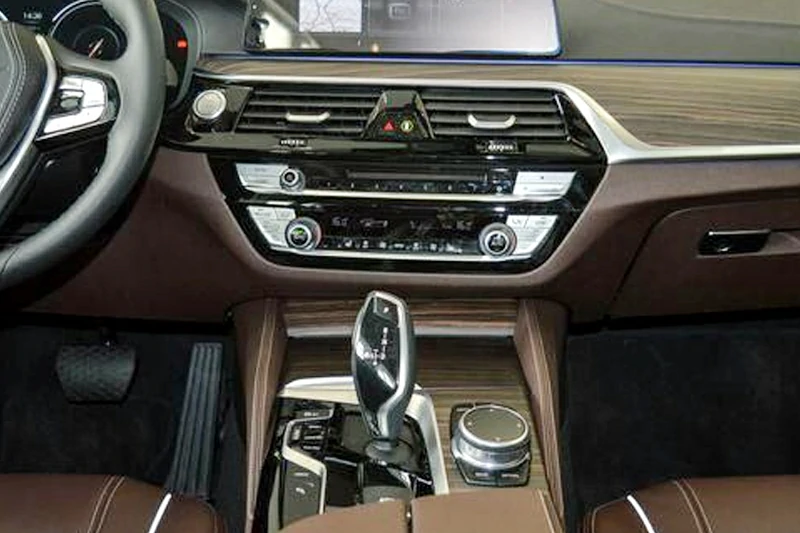
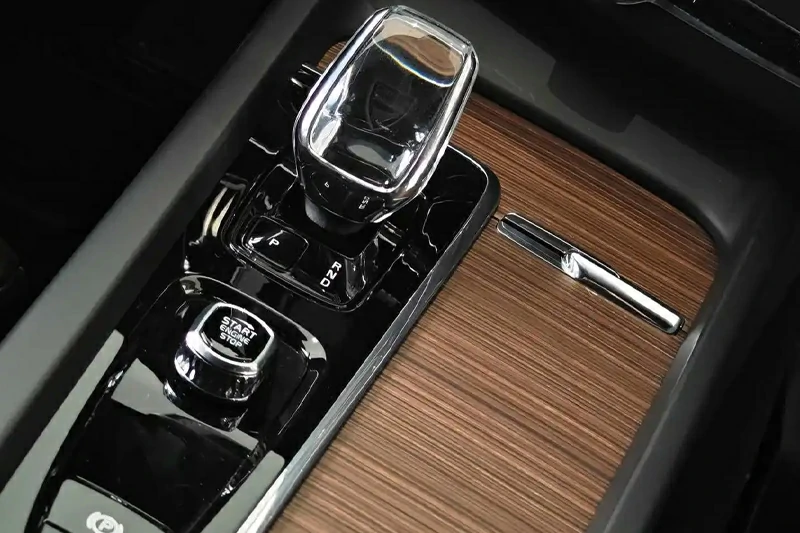
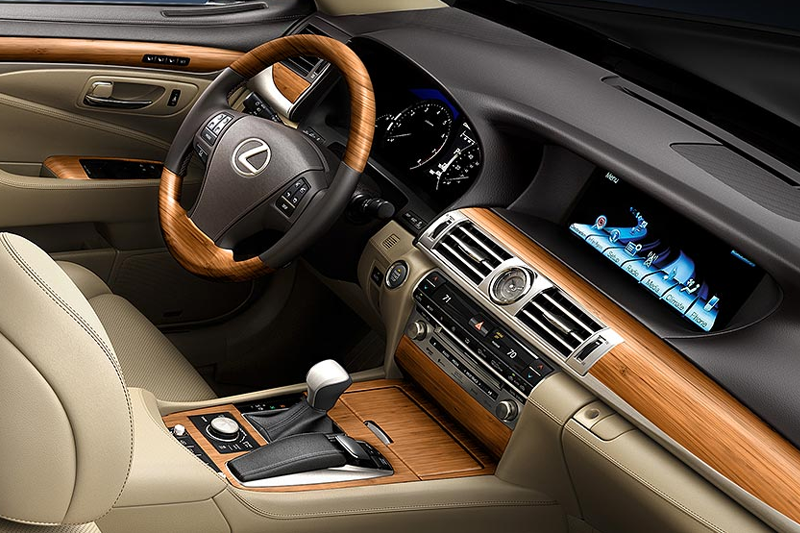
Instrument Panels and Center Consoles
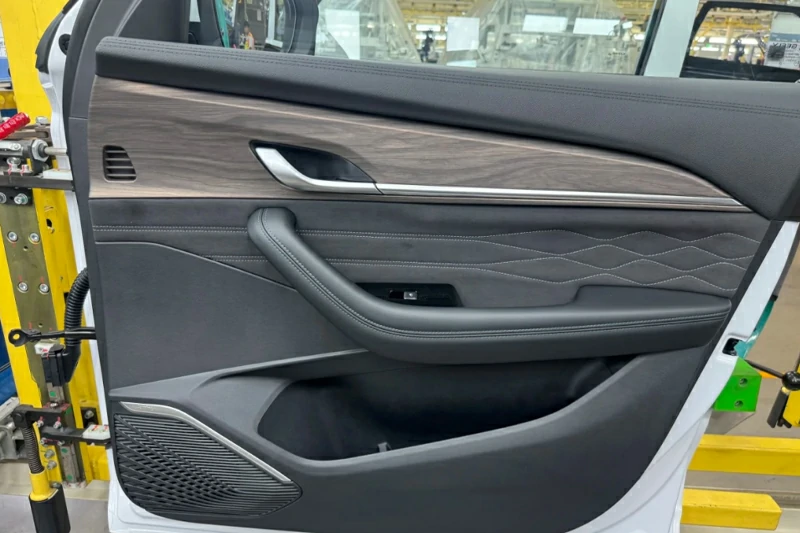
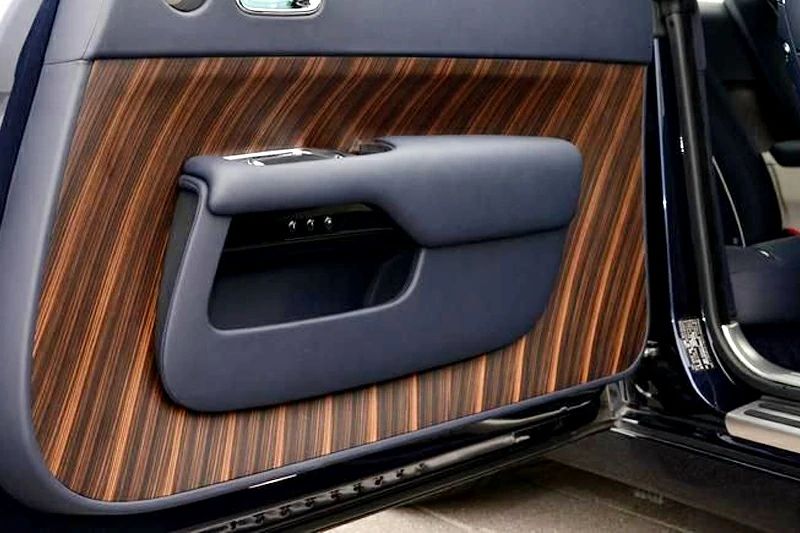
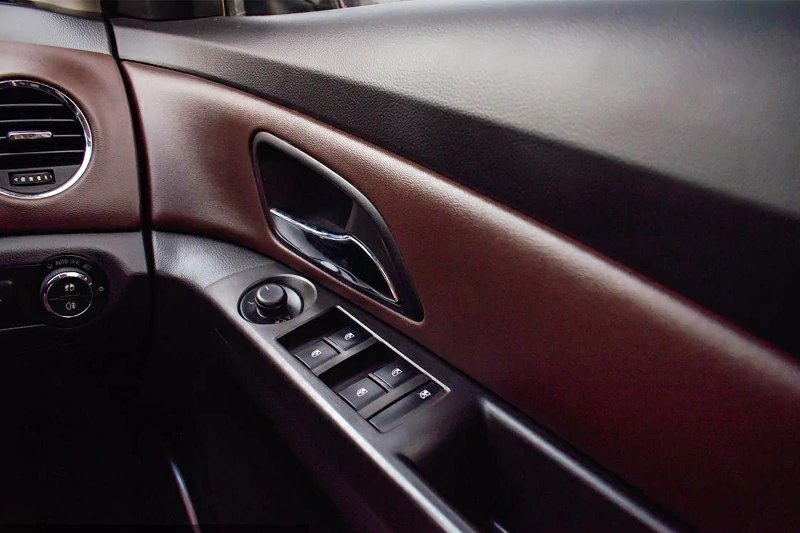
Door Trim Panel Forming
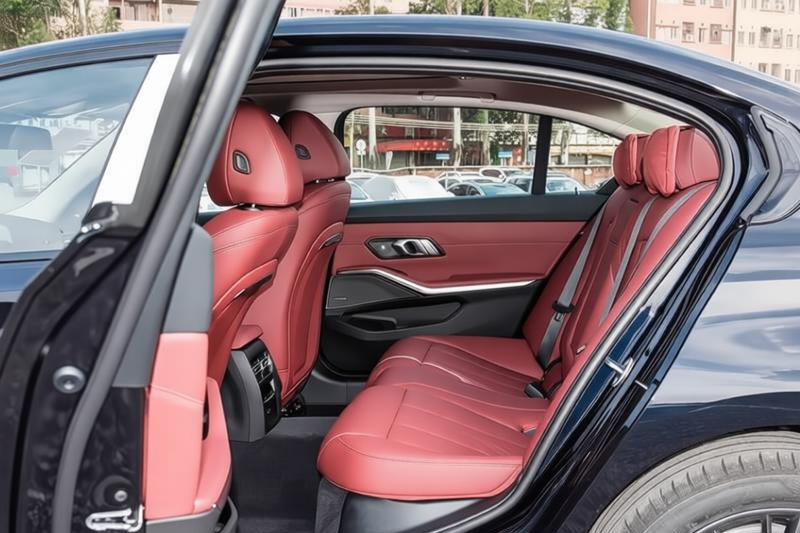
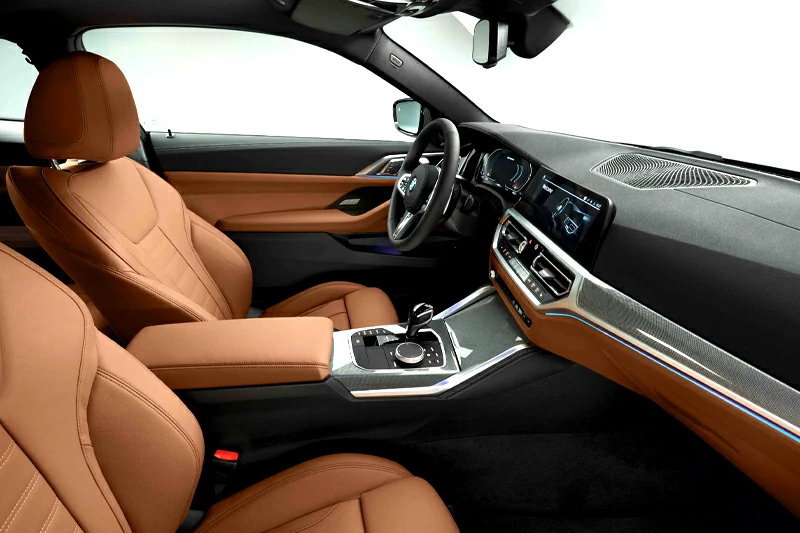
Interior Decorative and Functional Parts
Frequently Asked Questions
The vacuum forming adhesive is designed to maintain bonding integrity under typical in-vehicle conditions, including elevated temperatures, thermal cycling, and vibration. After forming and cooling, the adhesive layer remains flexible and resists delamination, supporting long-term durability of interior components.
Surface treatment is recommended for certain substrates, especially low surface energy materials such as PP. Common methods include corona treatment, flame treatment, primer application, or mechanical roughening. Proper surface preparation improves wetting behavior and helps achieve stable and repeatable bonding results during forming?
The adhesive is compatible with common automotive interior substrates, including ABS, PVC foam board, rigid PVC, automotive-grade MDF, and modified PP with surface treatment. It is also suitable for PVC vacuum forming films and PU artificial leather. Final compatibility should be verified under actual forming conditions.
Yes. The adhesive is formulated with controlled open time and stable processing behavior, making it suitable for automated or semi-automated vacuum forming lines. Consistent batch quality and available process guidance help reduce variation and support repeatable bonding performance in mass production.
A heat-resistant vacuum forming adhesive was applied with controlled coating weight and open time. The adhesive maintained stable tack during forming and ensured uniform bonding after cooling. Process parameters were standardized to achieve repeatable bonding performance in mass production.