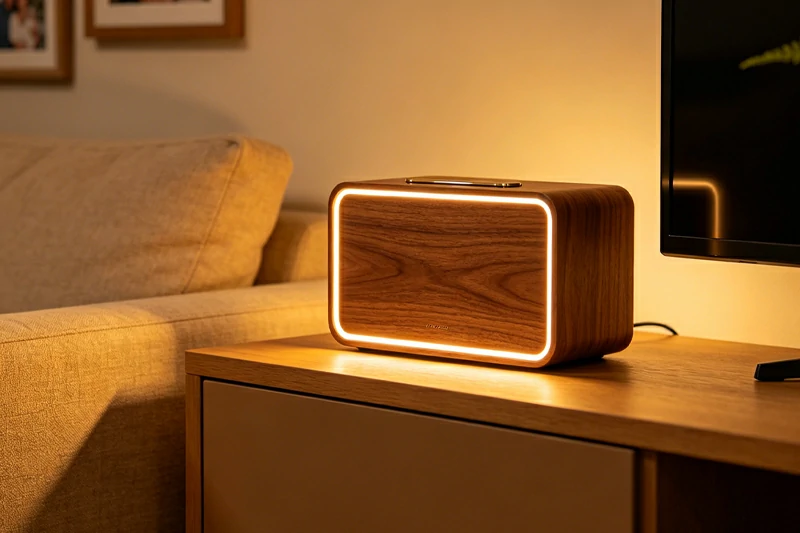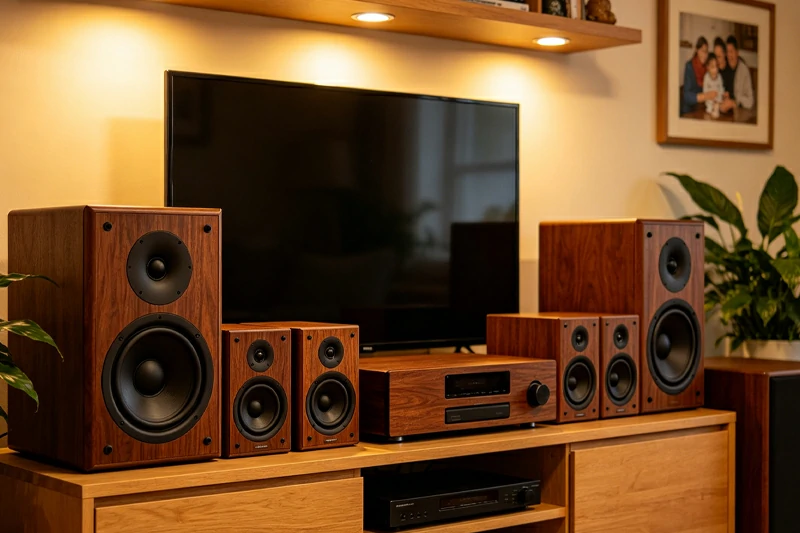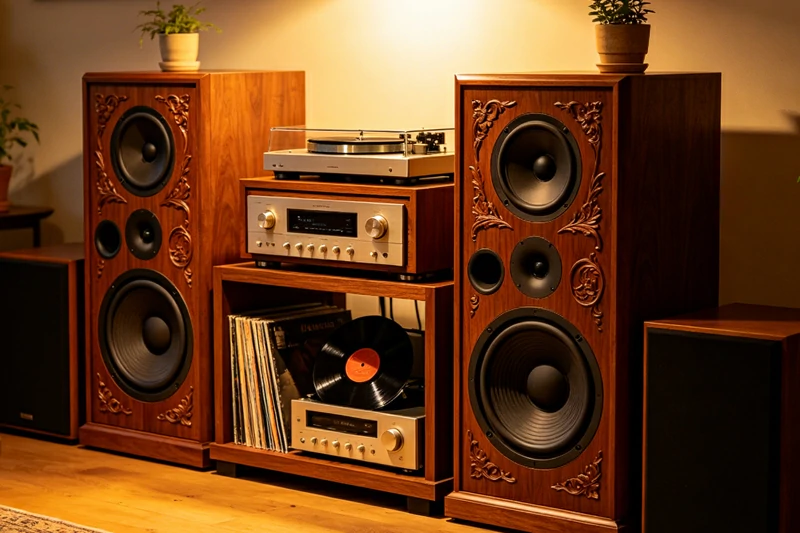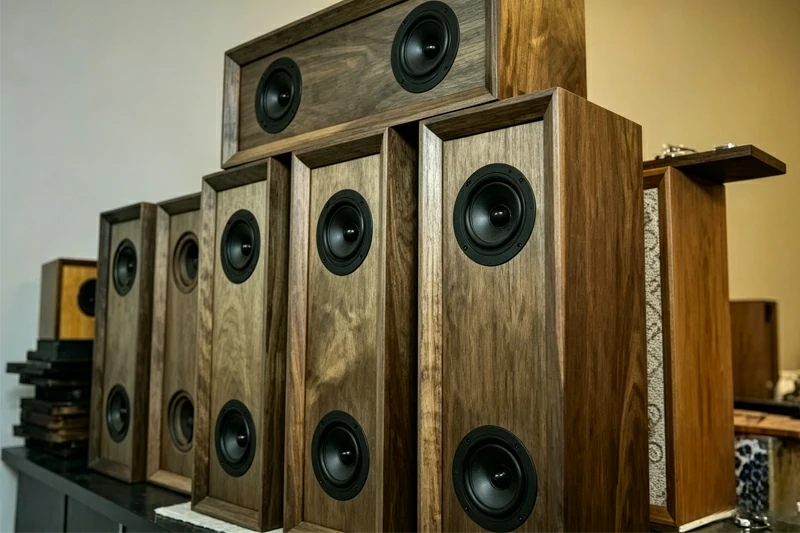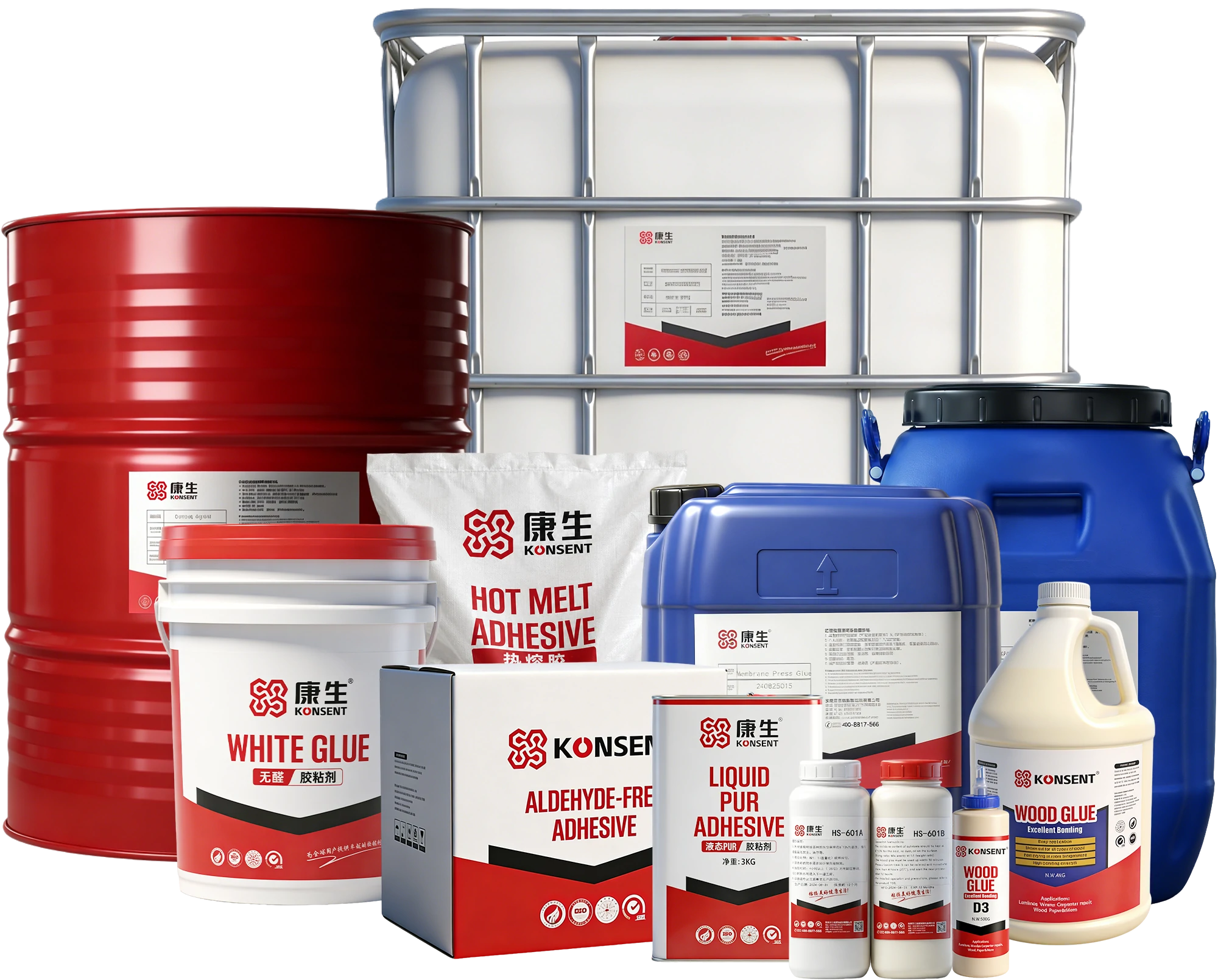
Assembly Adhesive + Excellent Waterproof Performance, High Strength, Fast Curing, Superior Vibration Damping, High-Temperature Resistance
Excellent Waterproof Assembly Adhesive: Waterproof rating up to D3 and D4 standards, fast curing in 5–30 minutes, vibration damping compliant with IEC 60068-2-6 standard.
Introduction & Details
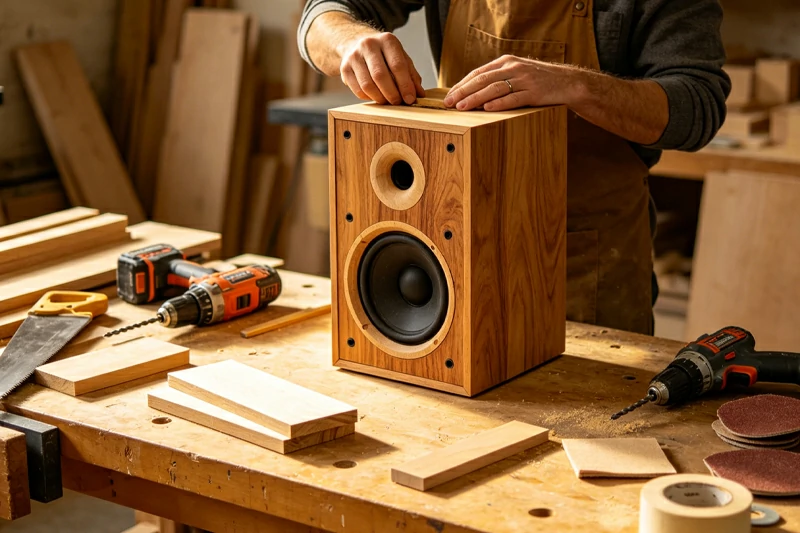
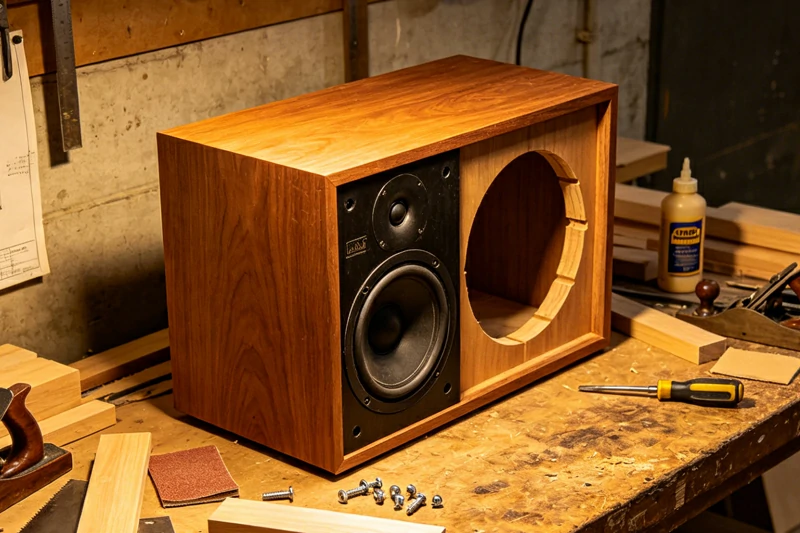
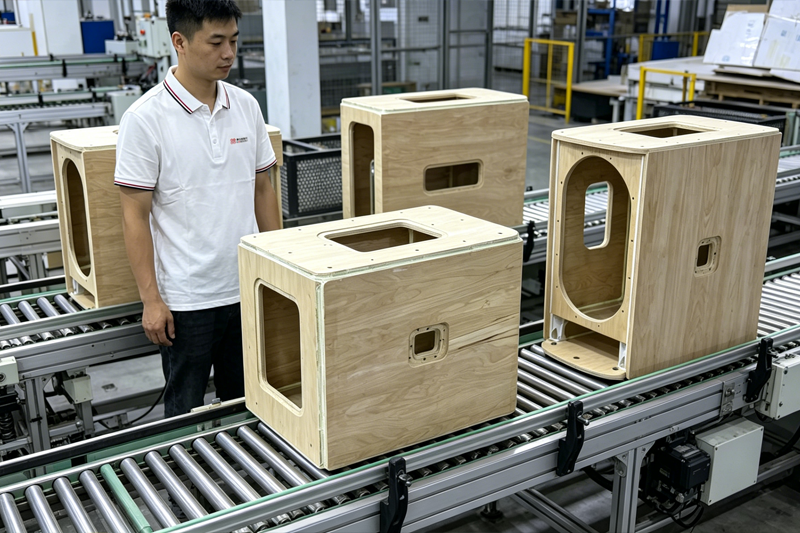
Water-based assembly glue, wood veneer glue, PVC vacuum membrane glue and PVC glue are widely used in wooden speaker production. They ensure firm bonding, airtight performance, excellent flexibility and environmental protection, adapting to multi-material lamination and assembly for stable speaker shell quality.

Eco-friendly, fast curing, strong adhesion, high weather resistance, easy application for wood assembly.

Soft bonding, no bubbling, good ductility, perfect veneer fitting and long-term stability.

Excellent vacuum forming, high softness, tight lamination, anti-peeling for PVC film.

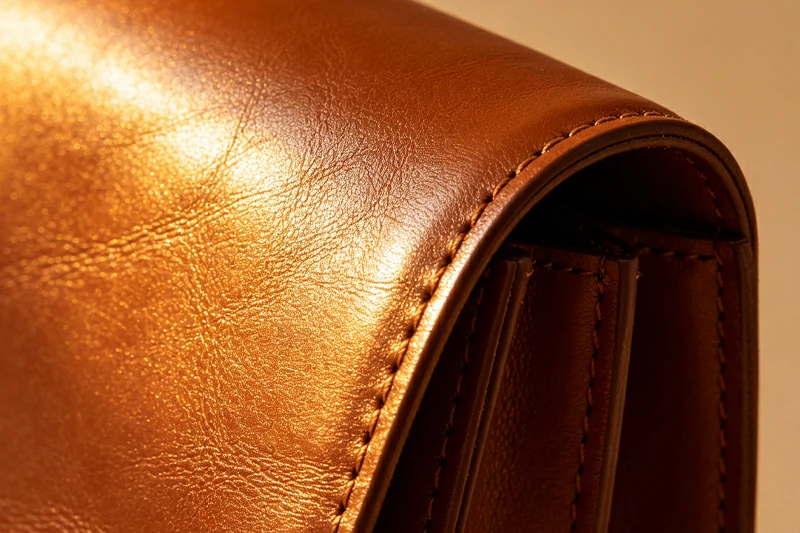
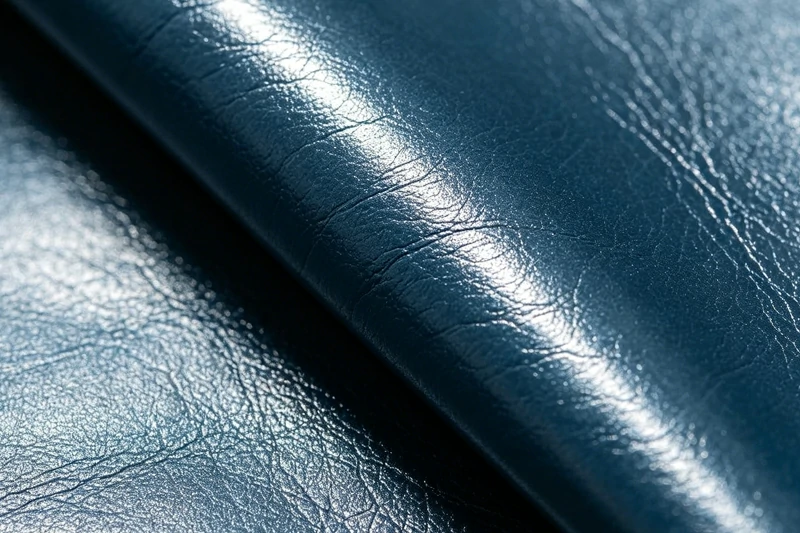
Flexible & elastic, odorless, gentle adhesion, anti-crack for leather and wood bonding.
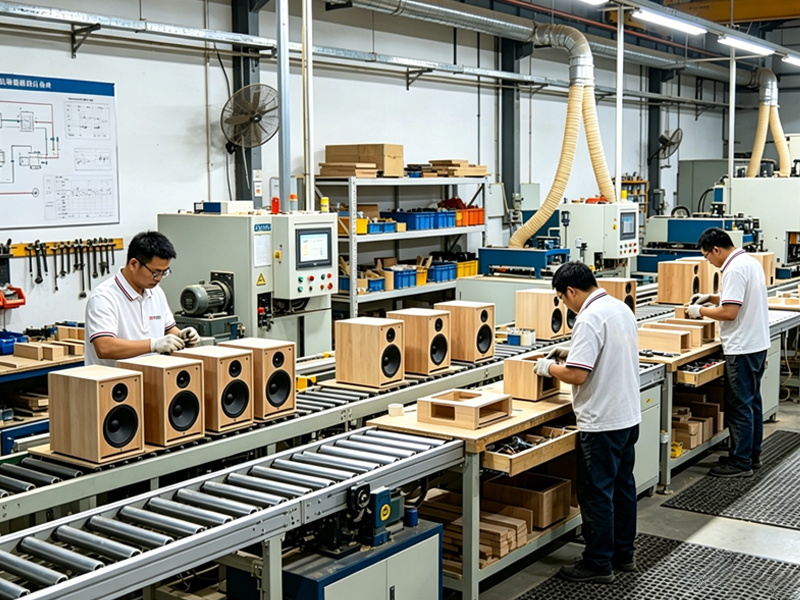
Adhesive Types for Electronics & Audio Assembly
Assembly Adhesive
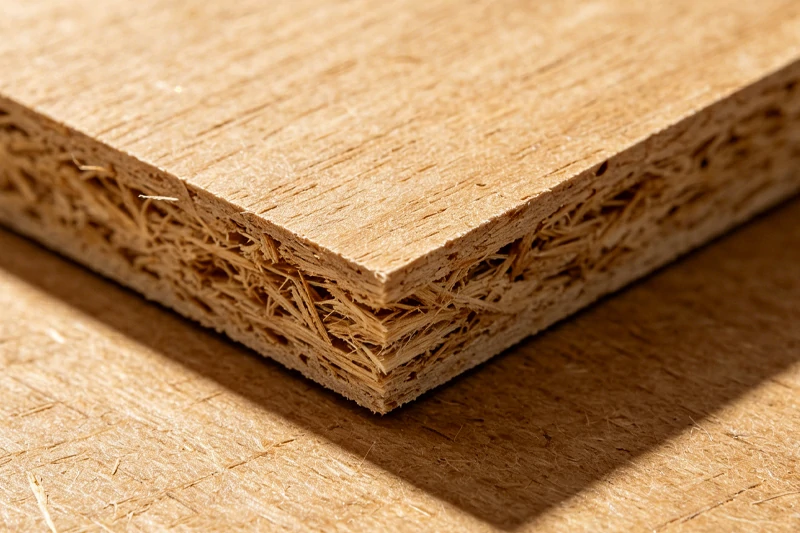
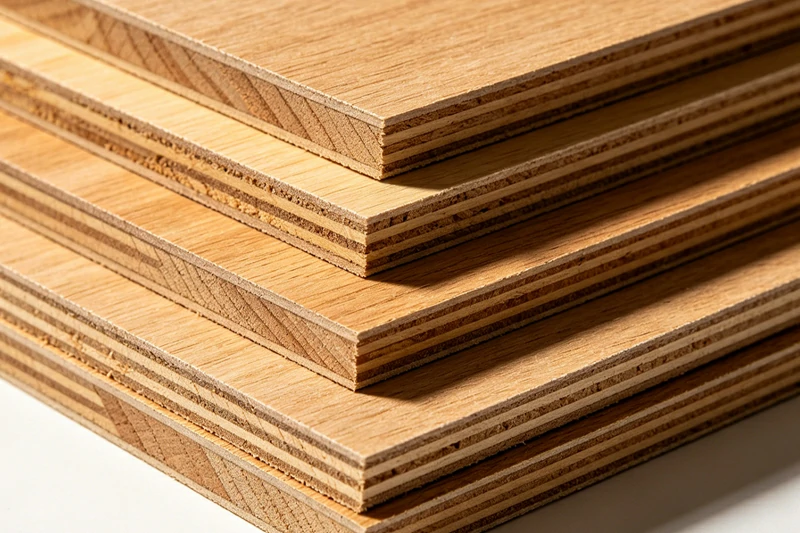
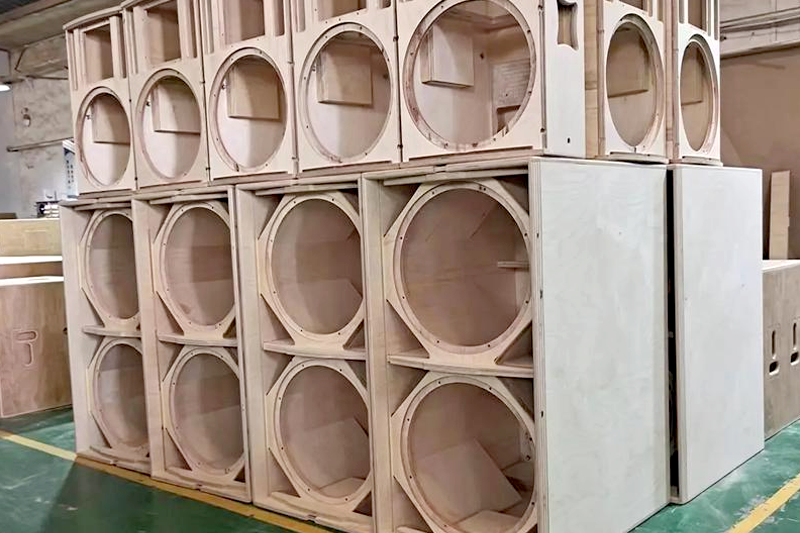
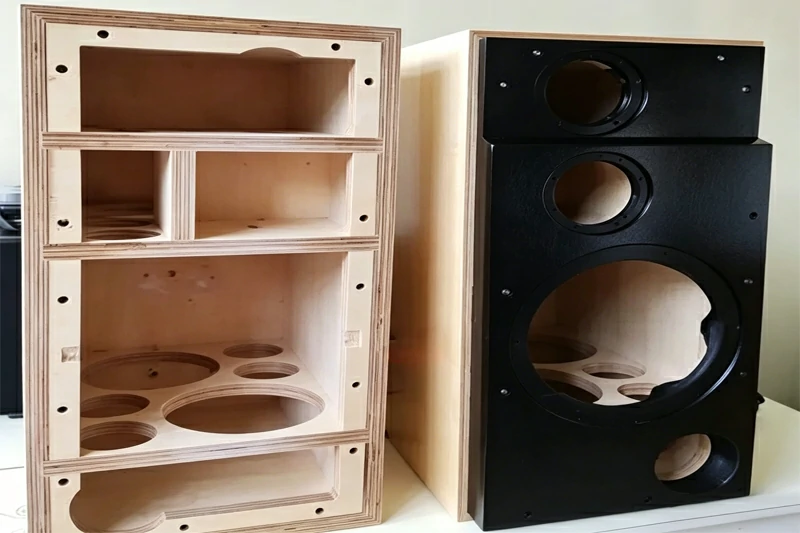
Structural bonding for MDF, plywood, and solid wood panels. Optimized for airtight sealing, vibration resistance, and thermal stability in speaker enclosures.
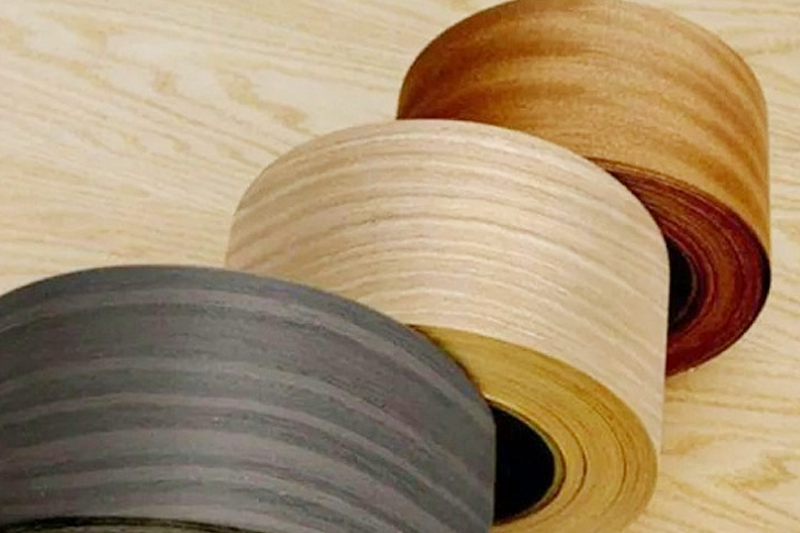
Veneer Glue
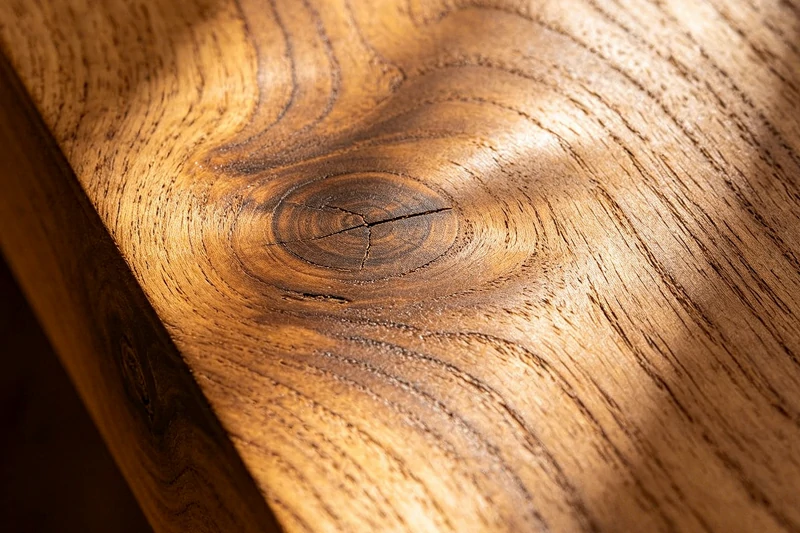
Thin veneer bonding for decorative surface finishing. Excellent spreadability and quick grab for walnut, maple, oak, and other wood veneers.
Materials We Bond / Material Compatibility
MDF board bond PVC sheet, Plywood bond PVC sheet, Multilayer Solid Wood Board bond PVC sheet
Excellent compatibility across materials,excellent water resistant, High temperature resistance, Superior electrical insulation, Abundant bulk supply & stable chain, Long-term stability & aging resistance
Materials Used
Wood materials include: MDF, plywood, and solid wood. Composite materials include wood veneer, PVC veneer, and PU veneer.


Applications
Excellent adhesive performance, firmly bonds speaker materials, stable and durable for long-term use


Surface Preparation & Coating Compatibility
Fresh Sanding
Wood Moisture Content
Light Edge and Joint Face Deburring / Smoothing
Removing Excess Adhesive After Bonding
Adhesive Performance & Standards
| Substrate Moisture | 8-12% |
| Glue Spread | 300±50g |
| Pressure Curing Time | pressure 2-4 hours |
Recent Projects / Case Studies
Solution: Surface preparation (sanding + dust removal), apply adhesive, assemble components, expose to high-energy light for 8–10 seconds (light penetrates porous material), achieving full strength immediately. This reduced cycle time dramatically (to ~10 seconds), improved peel strength (>20 N/cm), and boosted production efficiency by over 20%.
Product Advantages
At KONSENT, “manufacturing” transcends mere production. It embodies a global perspective and intelligent systems that deliver unparalleled quality control and rapid delivery. Our manufacturing prowess is the cornerstone of your confidence in global operations.

Superior Bonding Strength & Airtight Sealing
Our assembly adhesive is specifically formulated for MDF, plywood, and solid wood, delivering bond strength that exceeds the wood itself and ensures zero air leakage at joints. Tested to achieve near-wood-breakage levels, it prevents delamination or deformation over time, maintaining pure bass response and long-term structural stability of the enclosure.

Excellent High-Temperature & Vibration Resistance
Speaker enclosures can reach 60–80°C internally with strong vibrations during operation; our modified formula resists heat softening and fatigue, preserving bond integrity under prolonged thermal and mechanical stress. This eliminates common failures seen in standard adhesives, making it ideal for high-power or extended-play electronic speakers with reliable acoustic and structural performance.

Broad Material Compatibility & High Production Efficiency
It bonds seamlessly with mainstream substrates (MDF, Baltic birch plywood, solid wood, and veneers) without requiring primers or special treatments; moderate cure speed allows practical clamping and assembly, reducing wait times. Stable global supply chain and bulk availability support large-scale manufacturing, while low-odor, low-VOC formulation meets modern environmental production standards.
Application Scenarios
Home & Hi-Fi Speaker Manufacturing
Portable Bluetooth Speakers & Professional Studio Monitors
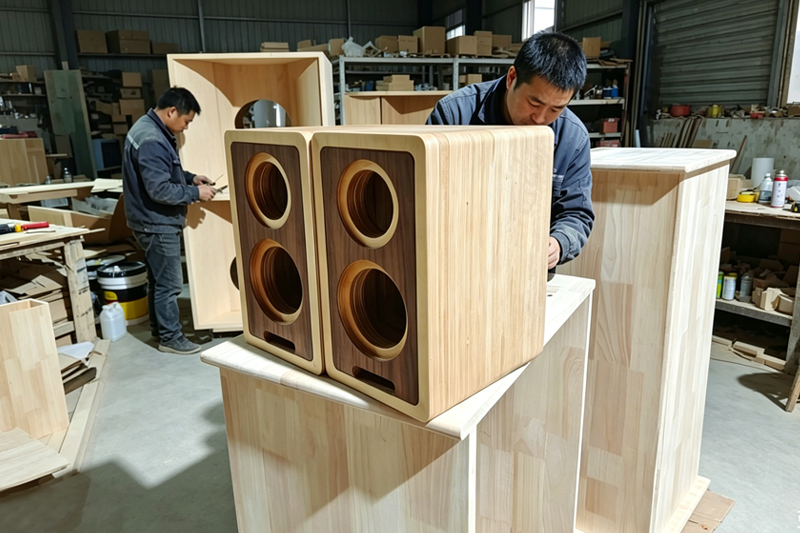
Custom & DIY Audio Projects
Frequently Asked Questions
No, high-quality assembly adhesive alone provides bond strength greater than the wood itself and meets all structural needs. However, clamps are essential during curing to ensure tight contact and uniform glue distribution. Many professional speaker builds use temporary brads or pins for alignment only, removing them after cure for a clean appearance.
We recommend modified PVA glue (e.g., Titebond-style), one-part polyurethane, or specialized speaker assembly adhesives. PVA offers excellent affinity to wood and good damping; polyurethane provides strong gap-filling and moisture/heat resistance. Avoid general construction glues, as they often fail to deliver the long-term airtightness and vibration resistance required for speakers.
Main causes include inadequate surface cleaning (dust, oils, oxidized layers), insufficient clamping pressure, poor heat/humidity resistance of the glue, or incomplete curing. Internal speaker temperatures (60–80°C) and constant vibration accelerate failure. Using heat/vibration-resistant adhesive and strictly following surface prep procedures effectively prevents this issue.
Proper surface preparation (fresh sanding + dust/oil removal), even glue application, and firm clamping are critical. After curing, inspect joints; if needed, apply a thin bead of silicone sealant inside for extra assurance. Test by pressurizing the box or listening for air leaks during powered operation to confirm bass performance is unaffected.
Solution:Apply adhesive evenly (minimal squeeze-out for full coverage), assemble panels quickly, apply RF energy for 1–3 minutes (depending on thickness) to heat the glue line uniformly, with reduced clamping pressure. This shortened cure time to ~1/10th of conventional methods, enhanced joint strength, and minimized deformation.