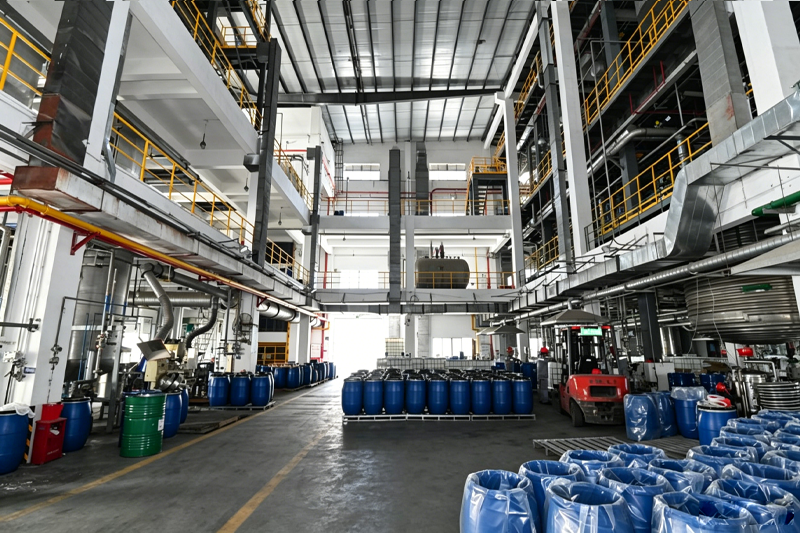
High-performance, eco-friendly adhesive raw material for superior bonding
Polymer emulsion offers exceptional bonding strength, environmental safety, and stable curing performance, ideal for adhesives, coatings, textiles, paper products, and woodworking industries.
Introduction & Details
In the adhesive and coating industries, common challenges include weak bonding strength, slow curing times, high environmental standards, and unstable formulations. Many traditional adhesives struggle with insufficient bonding, especially in humid or high-temperature environments, leading to failure. Additionally, with increasing environmental regulations, there is a growing demand for low-VOC, non-toxic, and pollution-free adhesives. Traditional adhesives often suffer from poor formulation stability, leading to issues like sedimentation or degradation, affecting production efficiency. Emulsion, as a high-performance, eco-friendly adhesive raw material, addresses these issues with its superior bonding strength, fast curing properties, excellent water and heat resistance, making it the ideal solution to meet the high efficiency, safety, and environmental demands of modern manufacturing.

High Bonding Strength:Polymer emulsion offers excellent initial tack and final bonding strength, making it ideal for various low to medium-strength bonding applications, ensuring efficient and durable adhesion.

Excellent Flowability and Adjustability: With good flow properties, emulsion allows for viscosity adjustments to meet diverse adhesive production processes, offering flexibility in formulation.

Cost-Effective:Polymer emulsion is cost-efficient, suitable for large-scale production, and offers a high-performance solution at a competitive price, reducing adhesive production costs.

Polymer emulsion has strong formulation stability, preventing sedimentation or separation, ensuring consistent quality during long-term storage.

Eco-friendly Performance:As a water-based emulsion, is free from harmful solvents, complying with environmental regulations, and meeting the demand for low-VOC, non-toxic, and pollution-free production.
Polymer Emulsion Grades & Applications
Polyvinyl Acetate Emulsion Polyvinyl acetate emulsion is a thermoplastic water-based adhesive prepared by the emulsion polymerization of vinyl acetate monomers under the action of an initiator. It typically appears as a milky-white viscous liquid and is one of the most widely used and longest-standing water-based adhesives in wood processing and interior decoration. Core Performance Characteristics ● Excellent initial tack: Possesses strong bonding strength to porous materials such as wood, paper, cotton cloth, and leather, with high initial tack for rapid positioning. ● Rapid curing at room temperature: Cures quickly at ambient temperature; the dried adhesive film is transparent and flexible, without staining the substrates. ● Safe and environmentally friendly: Uses water as the dispersion medium; it is non-flammable, non-toxic, odorless, easy to clean, and meets indoor environmental standards. ● Good compatibility for modification: Easily compatible with plasticizers, fillers, and other resins (such as phenolic or urea-formaldehyde resins) to improve water and low-temperature resistance. Cost-effective and economical
Single-component, extremely easy to apply Colorless and transparent film that does not affect appearance
Fast curing speed and high production efficiency


Vinyl Acetate-Ethylene Emulsion Vinyl Acetate-Ethylene (VAE) emulsion is a polymer copolymer emulsion produced through the emulsion polymerization of ethylene and vinyl acetate as primary raw materials. It typically appears as a milky-white liquid and is a versatile, high-performance, and eco-friendly water-based material. Core Performance Characteristics ● Excellent flexibility and internal plasticization: The ethylene segments in the molecular chain act as permanent internal plasticizers, ensuring the long-lasting softness of the adhesive film without the need for additional plasticizers, effectively inhibiting substrate cracking. ● Superior substrate adaptability: Exhibits outstanding adhesion to a wide range of substrates, including paper, plastic films (even difficult-to-bond materials like PE and PP), aluminum foil, textiles, and cement. ● Excellent environmental resistance: Possesses good acid/alkali resistance, UV aging resistance, and water resistance. The formed film effectively blocks moisture and has excellent film-forming properties at low temperatures. ● Outstanding miscibility and stability: Miscible with most water-soluble polymers, pigments, fillers, and additives, with high mechanical stability of the emulsion. Eco-friendly with low VOC emissions Flexible film with strong impact and creep resistance Unique adhesion to various difficult-to-bond substrates (e.g., plastic films) Combines excellent water, weather, and aging resistance


Styrene-Acrylic Emulsion Styrene-acrylic emulsion refers to a water-based polymer dispersion formed through emulsion polymerization of styrene (Styrene) and acrylic ester monomers (Acrylic esters) in an aqueous phase, resulting in a waterborne copolymer system. Core Performance Characteristics ● Mechanical balance: It provides a certain level of hardness (non-collapsing) while maintaining flexibility. It is neither brittle nor overly soft or tacky. ● Good water and weather resistance: Compared with PVA systems, it offers significantly better water resistance, good stability in both indoor and outdoor environments, and moderate-to-good aging resistance. ● Stable film formation: It can form a film at room temperature with good continuity, resistance to cracking and powdering, and strong adaptability to various substrates. ● Strong tunability: By adjusting the formulation ratio, key properties can be modified, such as:
Acrylic Emulsion Acrylic emulsion is a water-based polymer dispersion prepared through emulsion polymerization of acrylic monomers such as methyl acrylate, ethyl acrylate, and methyl methacrylate. It typically appears as a milky-white liquid and serves as a key film-forming component in many waterborne systems. Core Performance Characteristics ● Excellent weather resistance: Acrylic emulsion offers outstanding UV resistance and aging resistance, maintaining stable performance in both indoor and outdoor environments, making it ideal for long-term outdoor applications. ● Excellent film-forming properties: It can form a continuous, transparent, and flexible film at room temperature, with strong adhesion to various substrates such as wood, paper, concrete, and metal. ● High durability:The formed polymer film has good crack resistance, abrasion resistance, and long-term stability, maintaining performance even under harsh conditions. ● Strong tunability: By adjusting monomer ratios and formulation design, key properties such as hardness, flexibility, glass transition temperature (Tg), and water resistance can be precisely controlled. Water-based and environmentally friendly with low VOC Excellent adhesion to a wide range of substrates Good UV resistance and weather durability Strong film integrity and long service life Highly adjustable formulation for various industrial applications


Vinyl Versatate Emulsion Vinyl Versatate emulsion is a high-performance modified emulsion copolymerized from vinyl versatate monomers (such as Veova) with vinyl acetate, acrylates, or other monomers. The unique alkyl substituents on the alpha-carbon atom in its molecular structure create a powerful steric hindrance and shielding effect, endowing the emulsion with exceptional chemical stability. Core Performance Characteristics ● Superior alkali and hydrolysis resistance: Due to the steric hindrance effect of the tertiary carbon structure, the ester groups on the polymer side chains are extremely difficult to hydrolyze, allowing it to be applied directly to highly alkaline substrates like cement and asbestos without degradation. ● Excellent weatherability and aging resistance: The alkyl shielding effect on the alpha-carbon atom provides outstanding antioxidant and UV resistance; coatings remain intact without chalking or yellowing even after prolonged sun exposure. ● Excellent crack resistance and flexibility: The bulky side chain groups prevent tight packing between molecules, giving the film excellent flexibility and crack resistance to accommodate the thermal expansion and contraction of substrates. ● Good low-temperature film formation: The copolymer has a low glass transition temperature (Tg), allowing for smooth film formation even in cold winter conditions, facilitating construction. Exceptional alkali and saponification resistance Outstanding outdoor durability and UV resistance Flexible film with excellent anti-cracking performance Suitable for highly alkaline substrates and harsh outdoor environments


Polyurethane Emulsion Polyurethane emulsion (PUD) is a new type of eco-friendly polyurethane resin that uses water instead of organic solvents as the dispersion medium. It combines the safety of water-based systems with the superior performance of traditional solvent-based polyurethanes. Typically appearing as a translucent or milky-white liquid, it is a core material for high-end adhesives and coatings. Core Performance Characteristics ● Extremely high bonding strength and toughness: Combines excellent peel strength and shear strength; the adhesive film is flexible, abrasion-resistant, and can withstand strong impact, vibration, and deformation without detachment. ● Excellent environmental and chemical resistance: Possesses outstanding low-temperature resistance, oil resistance, solvent resistance, and aging resistance, adapting to harsh environments in automotive and industrial sectors. ● Broad substrate adaptability: Exhibits strong adhesion to various polar and non-polar materials, including metals, plastics (such as PVC, PET), glass, leather, and composites. ● High functional designability: Special functions like self-healing and thermally reversible bonding can be introduced through molecular structure design, or hardness and modulus can be adjusted to meet specific needs. Eco-friendly, non-toxic, odorless, and low VOC Excellent comprehensive mechanical properties, abrasion and impact resistant Strong adhesion to various difficult-to-bond substrates (e.g., plastics, metals) Excellent high and low-temperature resistance with long service life


- Polyvinyl Acetate Emulsion
- Vinyl Acetate-Ethylene Emulsion
- Styrene-Acrylic Emulsion
- Acrylic Emulsion
- Vinyl Versatate Emulsion
- Polyurethane Emulsion
Polyvinyl Acetate Emulsion Polyvinyl acetate emulsion is a thermoplastic water-based adhesive prepared by the emulsion polymerization of vinyl acetate monomers under the action of an initiator. It typically appears as a milky-white viscous liquid and is one of the most widely used and longest-standing water-based adhesives in wood processing and interior decoration. Core Performance Characteristics ● Excellent initial tack: Possesses strong bonding strength to porous materials such as wood, paper, cotton cloth, and leather, with high initial tack for rapid positioning. ● Rapid curing at room temperature: Cures quickly at ambient temperature; the dried adhesive film is transparent and flexible, without staining the substrates. ● Safe and environmentally friendly: Uses water as the dispersion medium; it is non-flammable, non-toxic, odorless, easy to clean, and meets indoor environmental standards. ● Good compatibility for modification: Easily compatible with plasticizers, fillers, and other resins (such as phenolic or urea-formaldehyde resins) to improve water and low-temperature resistance. Cost-effective and economical
Single-component, extremely easy to apply Colorless and transparent film that does not affect appearance
Fast curing speed and high production efficiency


Vinyl Acetate-Ethylene Emulsion Vinyl Acetate-Ethylene (VAE) emulsion is a polymer copolymer emulsion produced through the emulsion polymerization of ethylene and vinyl acetate as primary raw materials. It typically appears as a milky-white liquid and is a versatile, high-performance, and eco-friendly water-based material. Core Performance Characteristics ● Excellent flexibility and internal plasticization: The ethylene segments in the molecular chain act as permanent internal plasticizers, ensuring the long-lasting softness of the adhesive film without the need for additional plasticizers, effectively inhibiting substrate cracking. ● Superior substrate adaptability: Exhibits outstanding adhesion to a wide range of substrates, including paper, plastic films (even difficult-to-bond materials like PE and PP), aluminum foil, textiles, and cement. ● Excellent environmental resistance: Possesses good acid/alkali resistance, UV aging resistance, and water resistance. The formed film effectively blocks moisture and has excellent film-forming properties at low temperatures. ● Outstanding miscibility and stability: Miscible with most water-soluble polymers, pigments, fillers, and additives, with high mechanical stability of the emulsion. Eco-friendly with low VOC emissions Flexible film with strong impact and creep resistance Unique adhesion to various difficult-to-bond substrates (e.g., plastic films) Combines excellent water, weather, and aging resistance


Styrene-Acrylic Emulsion Styrene-acrylic emulsion refers to a water-based polymer dispersion formed through emulsion polymerization of styrene (Styrene) and acrylic ester monomers (Acrylic esters) in an aqueous phase, resulting in a waterborne copolymer system. Core Performance Characteristics ● Mechanical balance: It provides a certain level of hardness (non-collapsing) while maintaining flexibility. It is neither brittle nor overly soft or tacky. ● Good water and weather resistance: Compared with PVA systems, it offers significantly better water resistance, good stability in both indoor and outdoor environments, and moderate-to-good aging resistance. ● Stable film formation: It can form a film at room temperature with good continuity, resistance to cracking and powdering, and strong adaptability to various substrates. ● Strong tunability: By adjusting the formulation ratio, key properties can be modified, such as:
Acrylic Emulsion Acrylic emulsion is a water-based polymer dispersion prepared through emulsion polymerization of acrylic monomers such as methyl acrylate, ethyl acrylate, and methyl methacrylate. It typically appears as a milky-white liquid and serves as a key film-forming component in many waterborne systems. Core Performance Characteristics ● Excellent weather resistance: Acrylic emulsion offers outstanding UV resistance and aging resistance, maintaining stable performance in both indoor and outdoor environments, making it ideal for long-term outdoor applications. ● Excellent film-forming properties: It can form a continuous, transparent, and flexible film at room temperature, with strong adhesion to various substrates such as wood, paper, concrete, and metal. ● High durability:The formed polymer film has good crack resistance, abrasion resistance, and long-term stability, maintaining performance even under harsh conditions. ● Strong tunability: By adjusting monomer ratios and formulation design, key properties such as hardness, flexibility, glass transition temperature (Tg), and water resistance can be precisely controlled. Water-based and environmentally friendly with low VOC Excellent adhesion to a wide range of substrates Good UV resistance and weather durability Strong film integrity and long service life Highly adjustable formulation for various industrial applications


Vinyl Versatate Emulsion Vinyl Versatate emulsion is a high-performance modified emulsion copolymerized from vinyl versatate monomers (such as Veova) with vinyl acetate, acrylates, or other monomers. The unique alkyl substituents on the alpha-carbon atom in its molecular structure create a powerful steric hindrance and shielding effect, endowing the emulsion with exceptional chemical stability. Core Performance Characteristics ● Superior alkali and hydrolysis resistance: Due to the steric hindrance effect of the tertiary carbon structure, the ester groups on the polymer side chains are extremely difficult to hydrolyze, allowing it to be applied directly to highly alkaline substrates like cement and asbestos without degradation. ● Excellent weatherability and aging resistance: The alkyl shielding effect on the alpha-carbon atom provides outstanding antioxidant and UV resistance; coatings remain intact without chalking or yellowing even after prolonged sun exposure. ● Excellent crack resistance and flexibility: The bulky side chain groups prevent tight packing between molecules, giving the film excellent flexibility and crack resistance to accommodate the thermal expansion and contraction of substrates. ● Good low-temperature film formation: The copolymer has a low glass transition temperature (Tg), allowing for smooth film formation even in cold winter conditions, facilitating construction. Exceptional alkali and saponification resistance Outstanding outdoor durability and UV resistance Flexible film with excellent anti-cracking performance Suitable for highly alkaline substrates and harsh outdoor environments


Polyurethane Emulsion Polyurethane emulsion (PUD) is a new type of eco-friendly polyurethane resin that uses water instead of organic solvents as the dispersion medium. It combines the safety of water-based systems with the superior performance of traditional solvent-based polyurethanes. Typically appearing as a translucent or milky-white liquid, it is a core material for high-end adhesives and coatings. Core Performance Characteristics ● Extremely high bonding strength and toughness: Combines excellent peel strength and shear strength; the adhesive film is flexible, abrasion-resistant, and can withstand strong impact, vibration, and deformation without detachment. ● Excellent environmental and chemical resistance: Possesses outstanding low-temperature resistance, oil resistance, solvent resistance, and aging resistance, adapting to harsh environments in automotive and industrial sectors. ● Broad substrate adaptability: Exhibits strong adhesion to various polar and non-polar materials, including metals, plastics (such as PVC, PET), glass, leather, and composites. ● High functional designability: Special functions like self-healing and thermally reversible bonding can be introduced through molecular structure design, or hardness and modulus can be adjusted to meet specific needs. Eco-friendly, non-toxic, odorless, and low VOC Excellent comprehensive mechanical properties, abrasion and impact resistant Strong adhesion to various difficult-to-bond substrates (e.g., plastics, metals) Excellent high and low-temperature resistance with long service life


Key Considerations and Best Practices for Using Polymer Emulsion
Polymer Emulsion Selection and Solid Content Matching
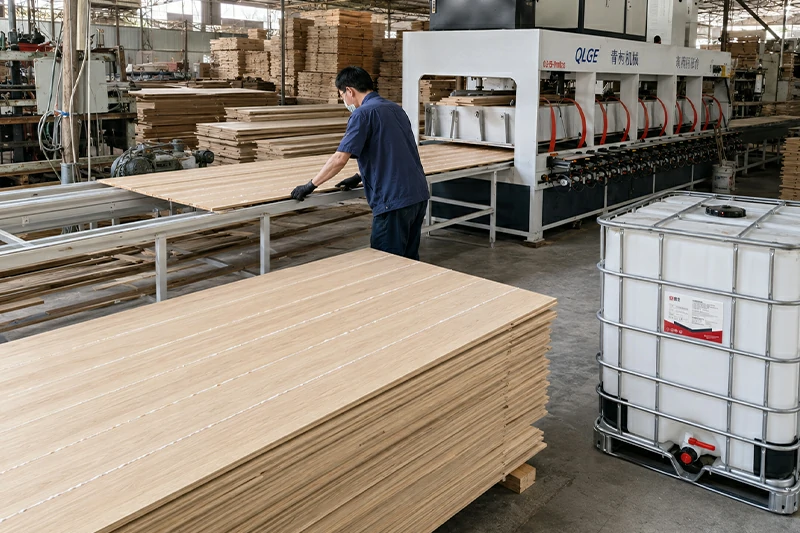
Wood Lamination and Board Adhesives: Typically require higher solid content to ensure strength and efficient pressing.
White Glue and Assembly Adhesives: Focus more on workability and stability, and medium solid content emulsion is preferred.
Formulation Stability and Compatibility
● Emulsion breaking
● Layering or sedimentation
● Viscosity fluctuation
It is recommended to perform small-scale trials before proceeding to mass production.
Enhancing Water and Heat Resistance
Introduce a crosslinking system (such as PVA, isocyanates, or other modification methods) Optimize curing conditions and pressing processes
This ensures the durability required for furniture and wood panels.
Production Environment and Process Control
● Control the production temperature, ideally in the range of 15–30°C.
● Prevent contamination from iron ions or impurities that may affect emulsion stability.
Polymer Emulsion Performance & Standards
| Product | Solid Content | Viscosity | Features & Application |
| HS-105 | 46.0~50.0% | 1,000~2500CPS | Excellent film toughness and water resistance;High reactivity.Used as the primary emulsion for EPI adhesive. |
| HS-400 | 50.0-54.0% | 25,000~35000CPS | It has high solid content and good adhesive film strength and toughness. As the main emulsion,it can be used to compound water-based yellow glue, assembly glue and pressing plate series glue. |
Recent Projects / Case Studies
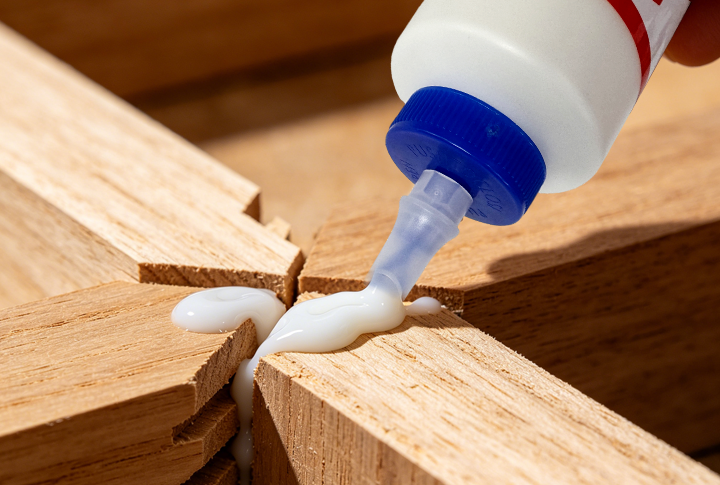
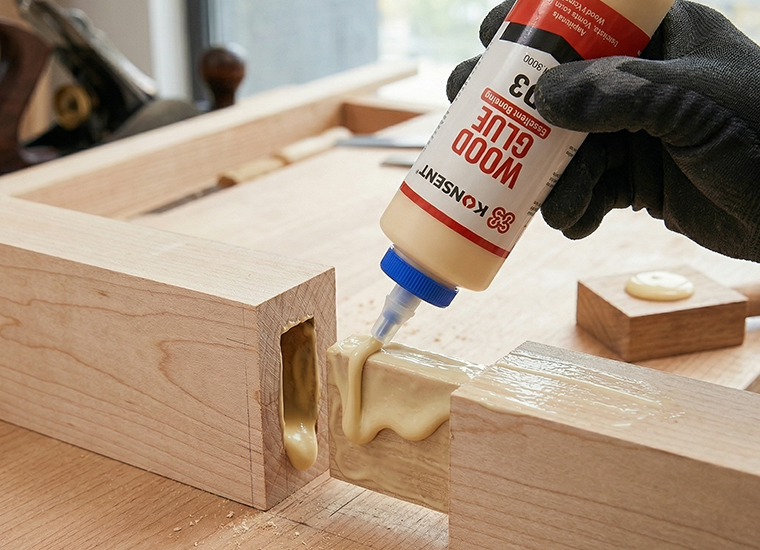
We supplied a PVAC emulsion optimized for furniture assembly, enhancing curing speed and bonding strength. It provided fast tack, strong final adhesion, and stability in humid conditions, while meeting low-VOC, eco-friendly standards, boosting both production efficiency and product quality.
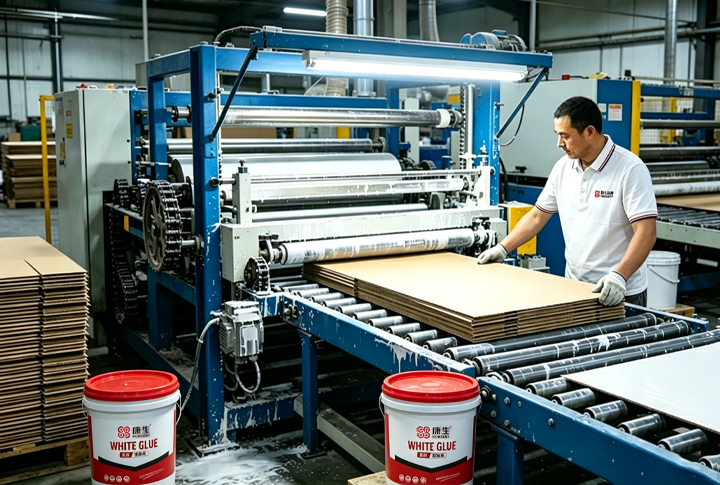
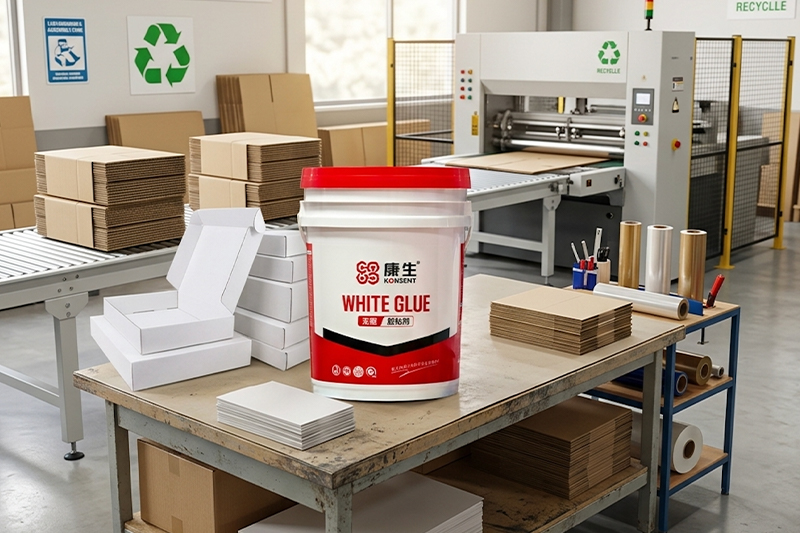
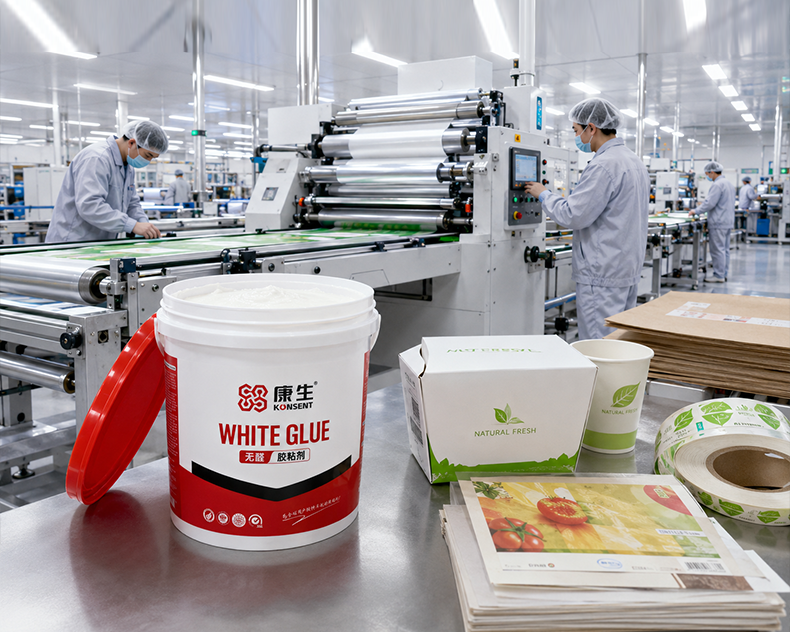
We provided a specially formulated PVAC emulsion to enhance bonding strength and curing speed, ensuring cartons remained intact during transport. The water-based, eco-friendly solution met low-VOC requirements, improving production efficiency while complying with environmental standards and maintaining product quality.
Product Advantages
At KONSENT, “manufacturing” transcends mere production. It embodies a global perspective and intelligent systems that deliver unparalleled quality control and rapid delivery. Our manufacturing prowess is the cornerstone of your confidence in global operations.

High-Quality Raw Materials, Stable Performance
We provide premium PVAC emulsion, optimized for consistent bonding strength, curing speed, and stability, ensuring that every batch meets the specific needs of our clients across various applications.

Eco-Friendly and Compliant
Our water-based, eco-friendly emulsions meet low-VOC and non-toxic standards, helping clients stay compliant with environmental regulations while maintaining competitive edge in the market.

Efficient Customization to Meet Diverse Needs
We offer flexible customization services to perfectly match the unique technical and operational requirements of each client, ensuring optimal performance for every adhesive product.

Extensive Experience, Industry Leadership
With years of research and manufacturing expertise, we provide professional technical support and high-quality after-sales service to help clients enhance their production processes.
Application Scenarios
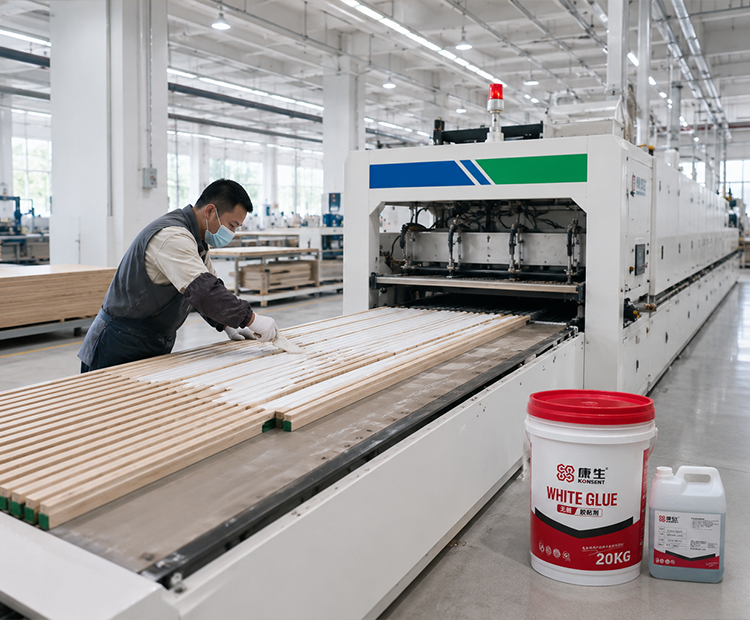
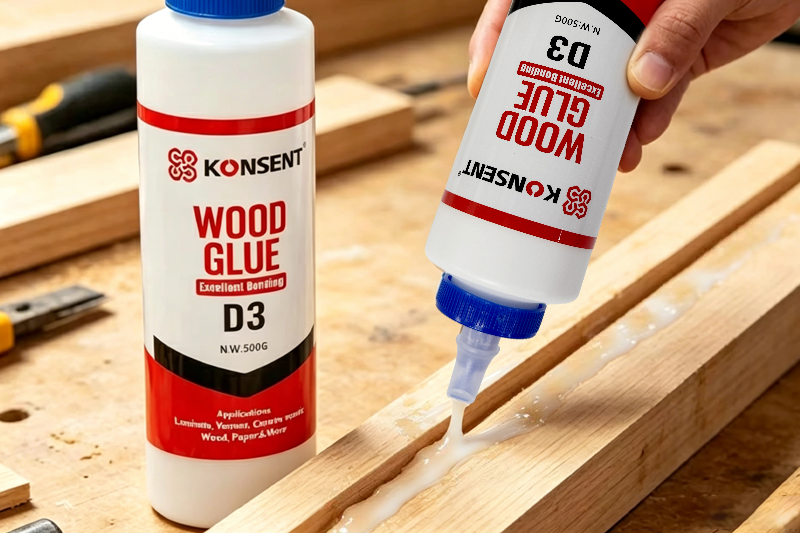
Woodworking Adhesives
Paper Adhesives
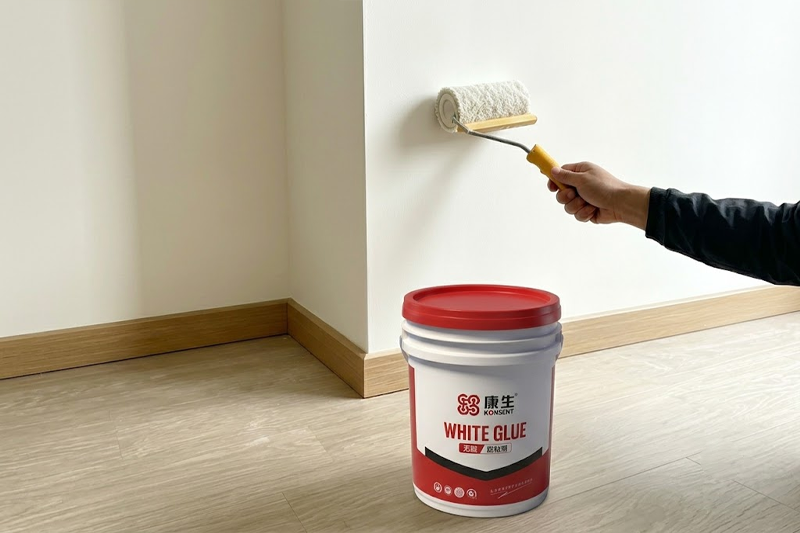
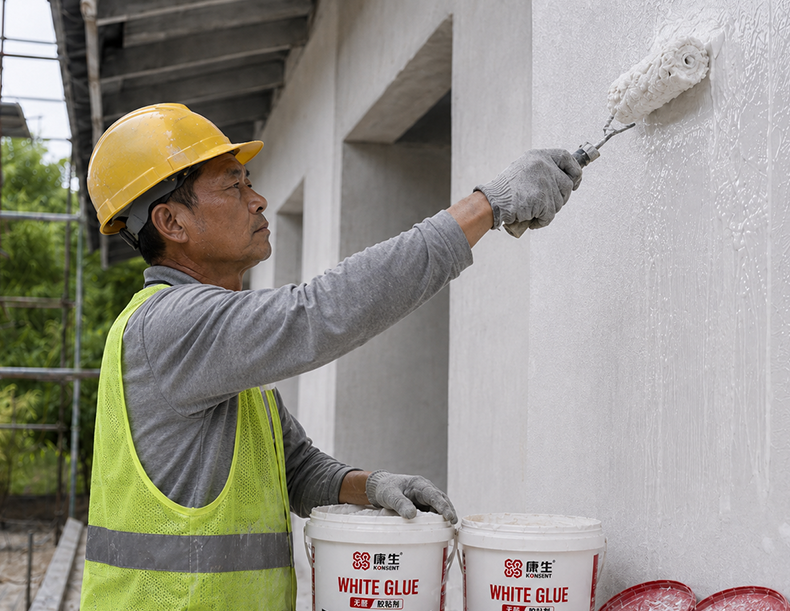
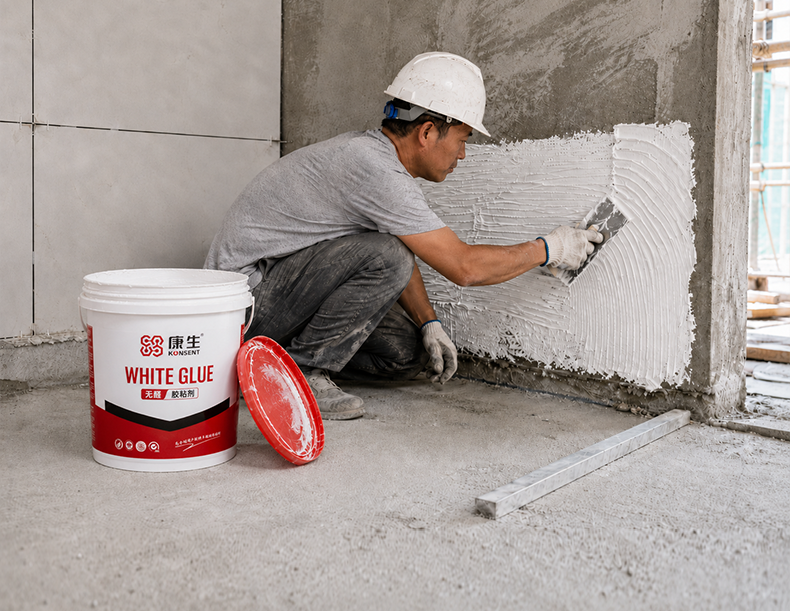
Architectural Adhesives
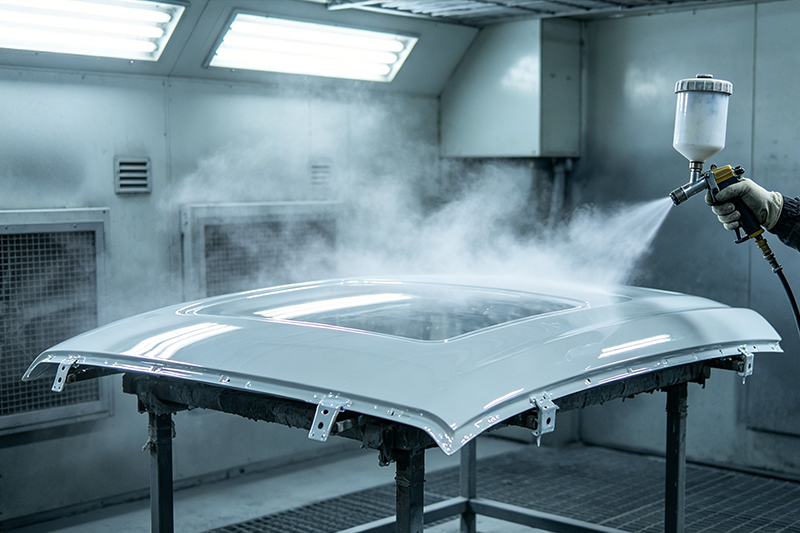
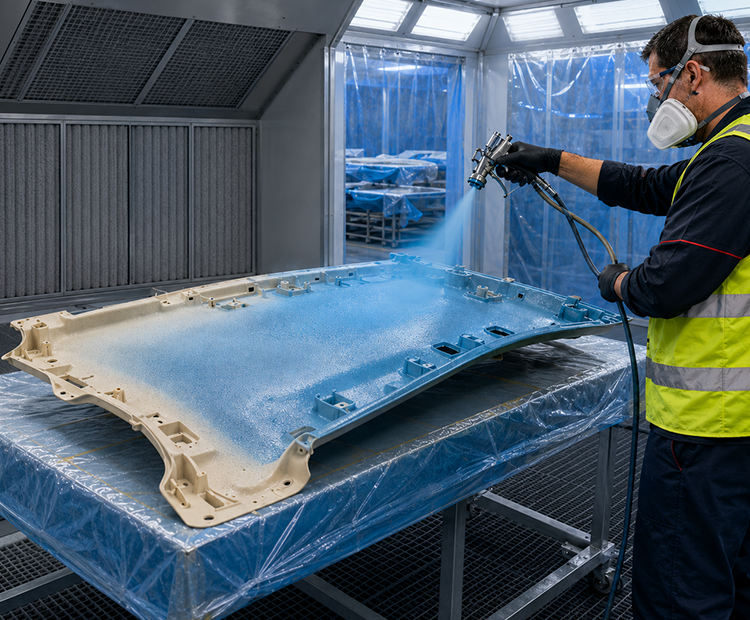
Automotive Adhesives
Frequently Asked Questions
By introducing crosslinking agents (such as PVA or isocyanates) or optimizing the formulation and curing conditions, the water and heat resistance of PVAC emulsion can be effectively improved.
Solid content directly affects the bonding strength, curing speed, and film-forming ability of the adhesive. Choosing the appropriate solid content based on application needs can improve product performance.
The viscosity of PVAC emulsion can be adjusted by adding appropriate thickeners or diluents to meet different production requirements.
PVAC emulsion can be mixed with various thickeners, fillers, crosslinkers, and other chemicals, but compatibility with these additives must be ensured. It is recommended to conduct small-scale trials before large-scale production.
A specially selected PVAC emulsion with optimized solid content and particle size provided strong initial tack and final bonding strength, enhancing pressing efficiency, reducing cycle time, and ensuring stable viscosity and storage stability, all while meeting environmental standards.