Woodworking Furniture Adhesives

All our adhesives are crafted to meet industrial-grade standards, catering to the needs of furniture manufacturers for efficiency, quality, and durability.

Introduction & Details

Our woodworking adhesives are designed to meet the diverse demands of furniture manufacturing, delivering strong, durable, and consistent bonding performance across every process. From panel production to final assembly, our solutions ensure efficiency, reliability, and high-quality finishes.

Irreversible Curing & Permanent Bond

One-Component, No Mixing Required

Fast Initial Set for Automated Lines

REACH-Certified & Eco-Friendly
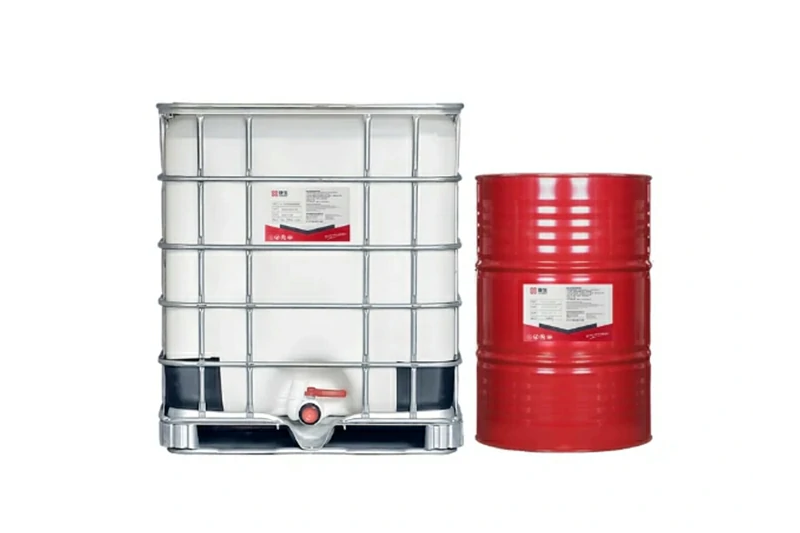
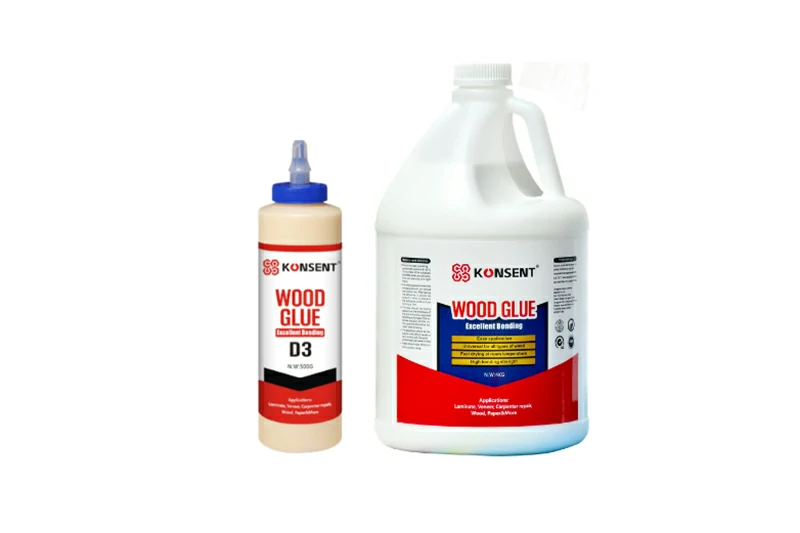
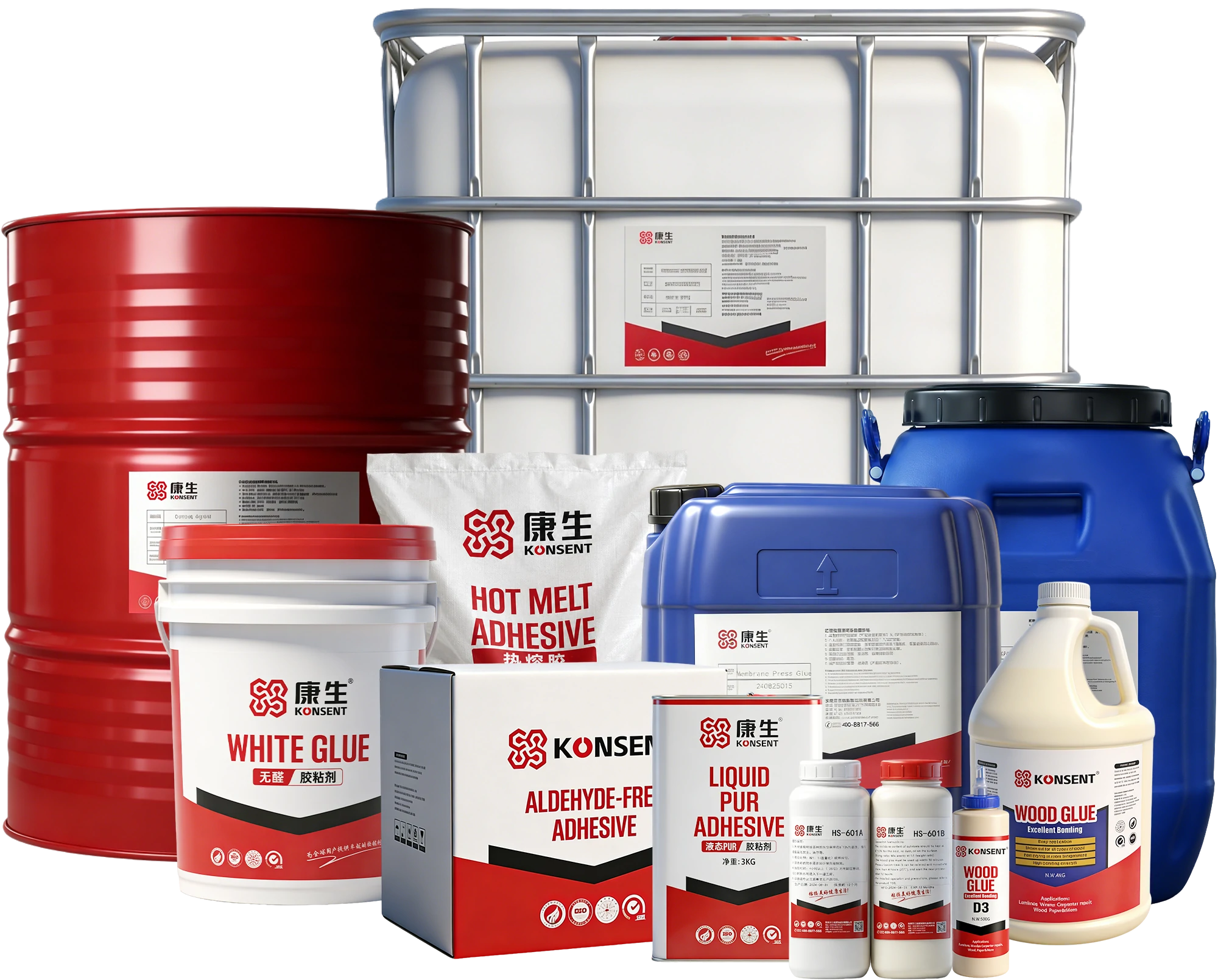
Adhesive Types for Woodworking & Furniture

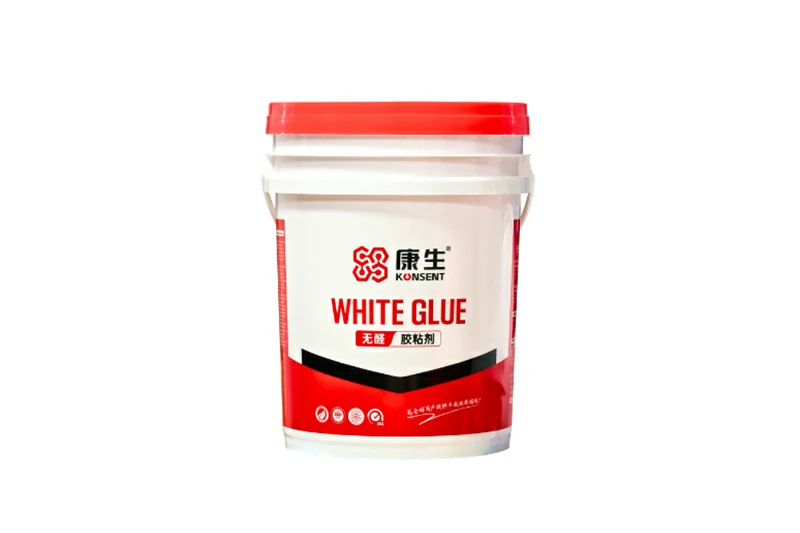
EPI Wood Adhesive

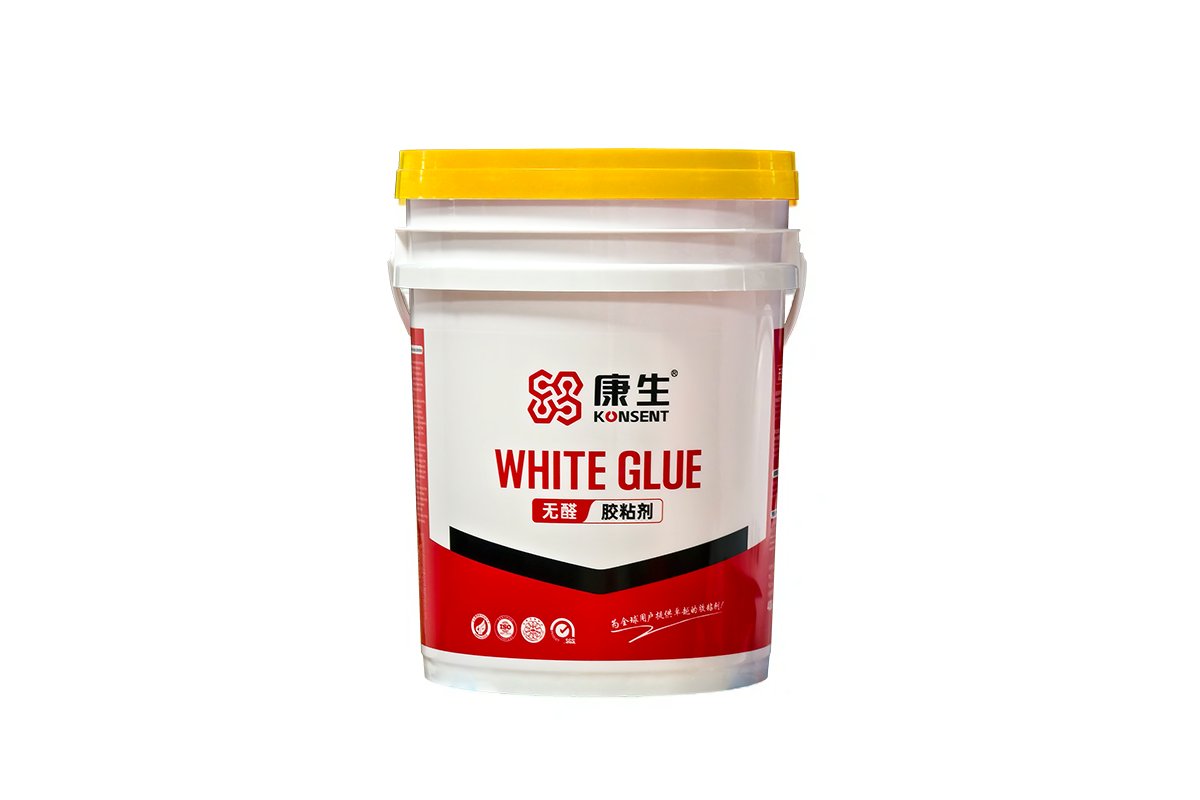
D3 Water-resistant Glue

Vacuum Membrane Press Adhesive

Wood Assembly Adhesive

PVC Adhesive

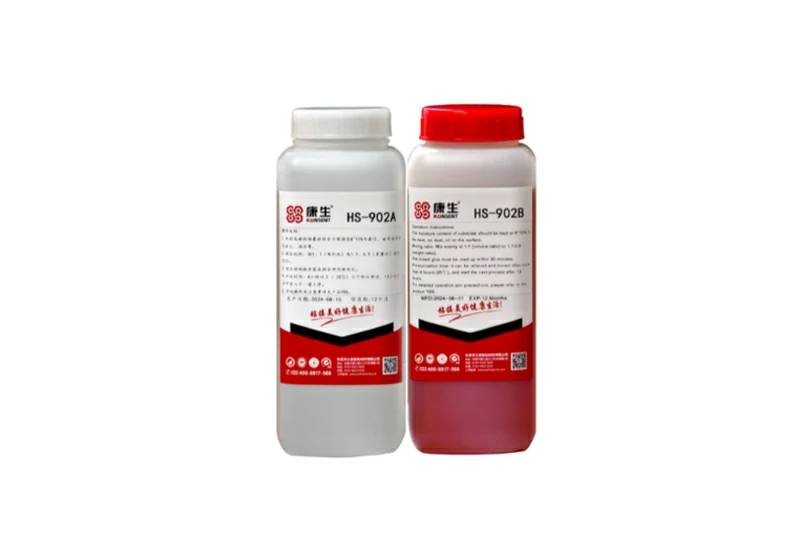
Epoxy Resin AB Adhesive

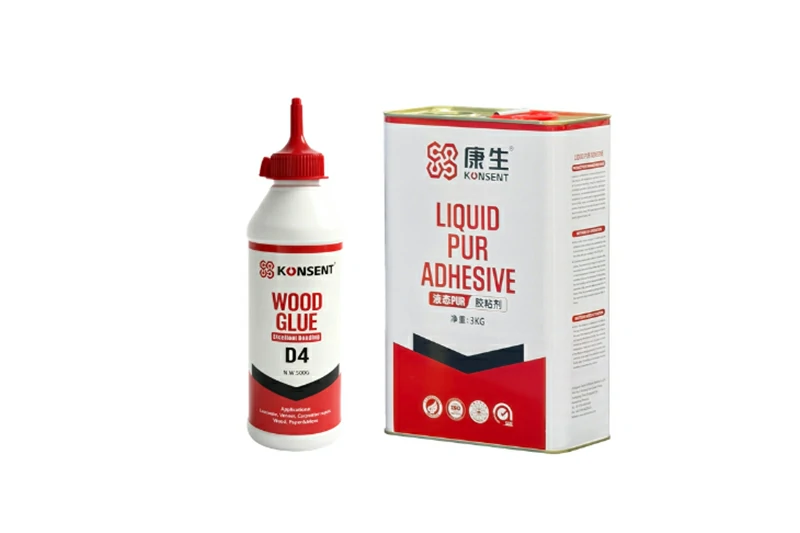
Liquid PUR Adhesive

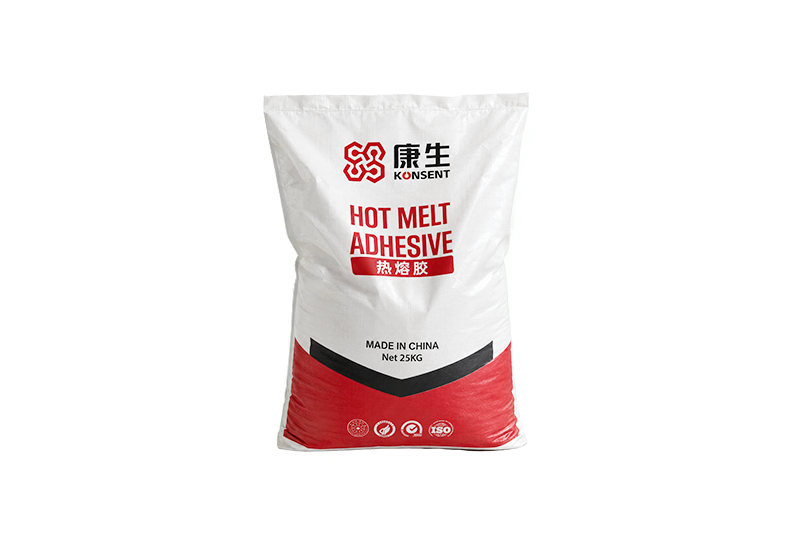
EVA Hot Melt Adhesive

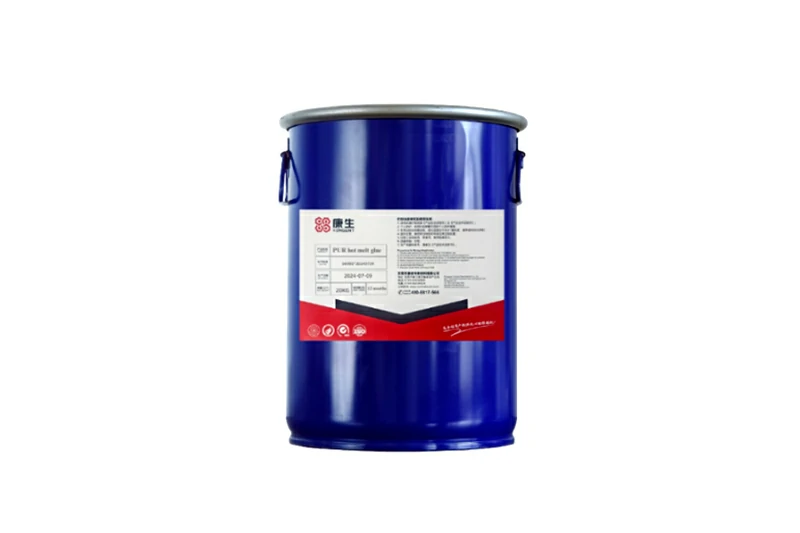
PUR Hot Melt Adhesive

Material Capabilities

We implement stringent quality control over the production of every single drop of glue to ensure consistent and reliable product performance. At the incoming raw material inspection stage, all raw materials required for production are sourced from reputable suppliers in the industry, with each batch undergoing sampling inspection. The production process adopts automated batching, while key parameters such as temperature, viscosity, and stirring speed are monitored in real time.

Each batch of finished products must pass strict tests before shipment, including viscosity, solid content, bonding strength (peel test), thermal stability, and color consistency, and is released only when it meets production standards.

We also retain batch samples for three months and provide traceable inspection reports to ensure stable and reliable quality.

Wood Materials

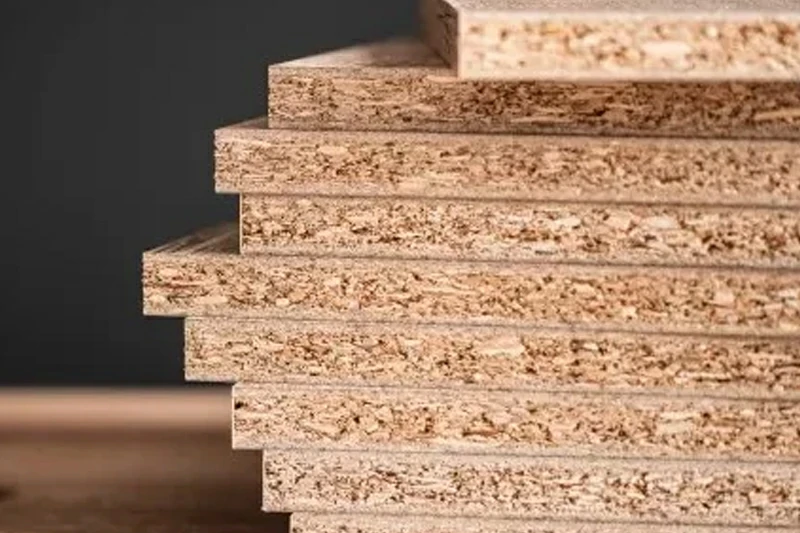
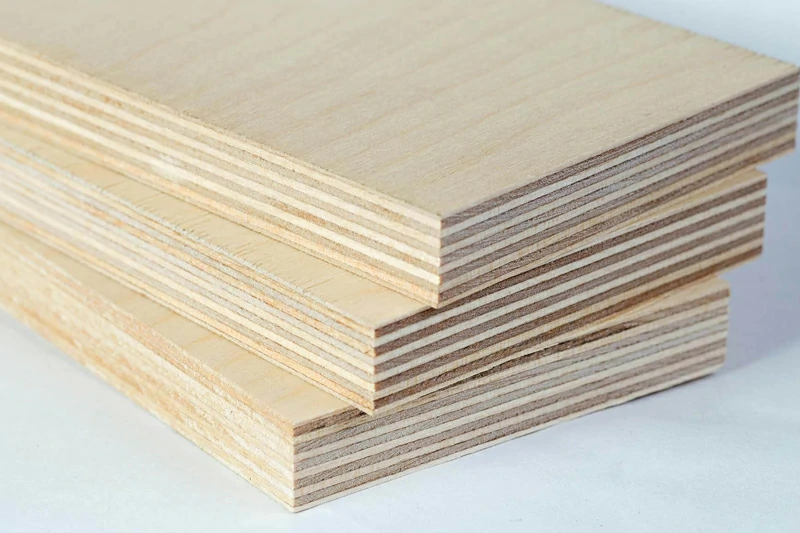
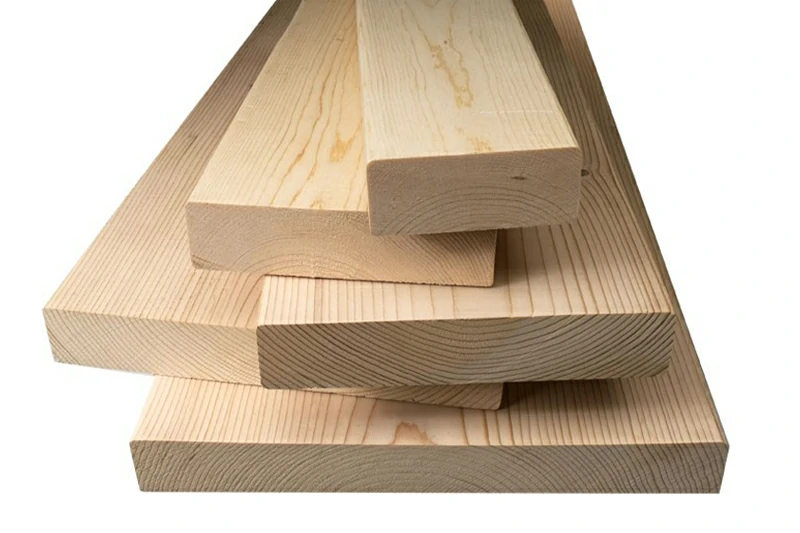
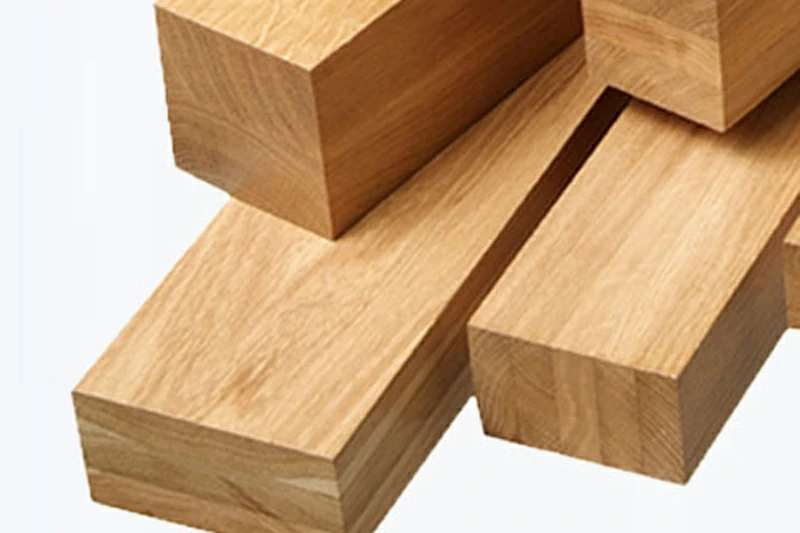
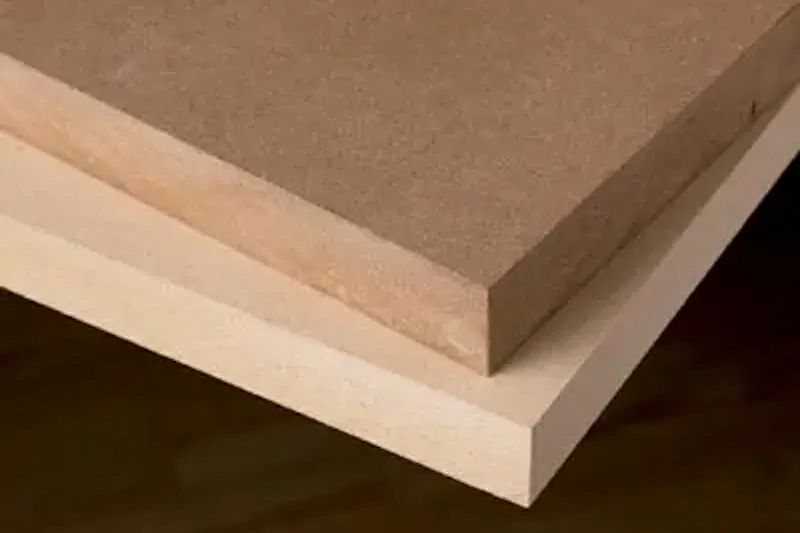
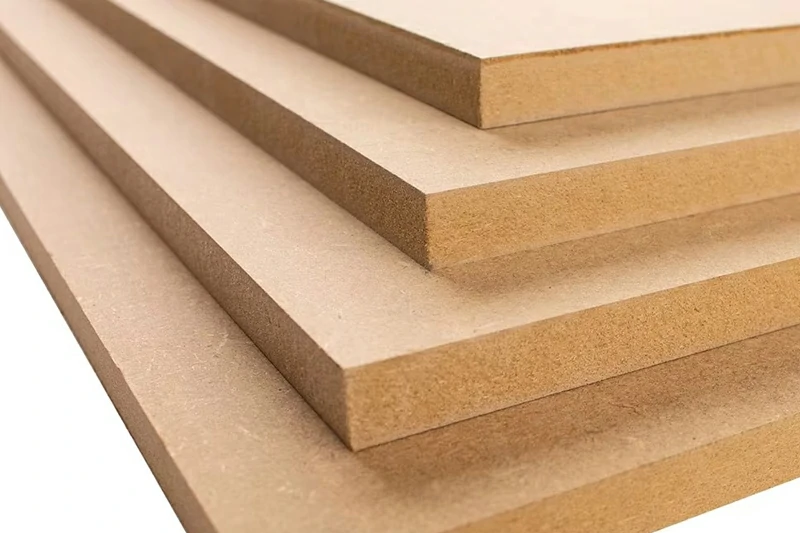
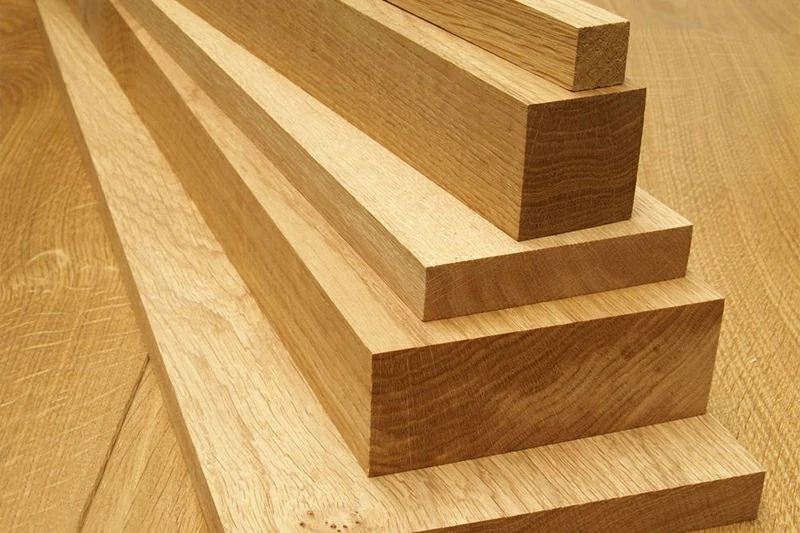
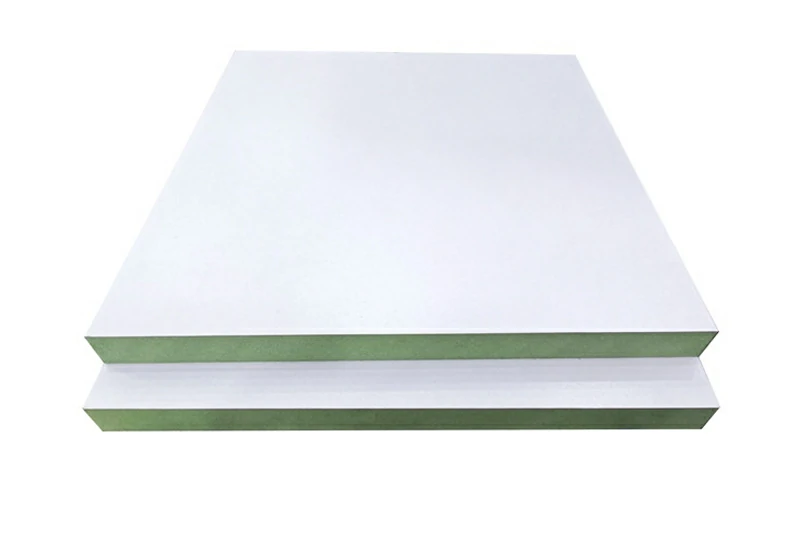
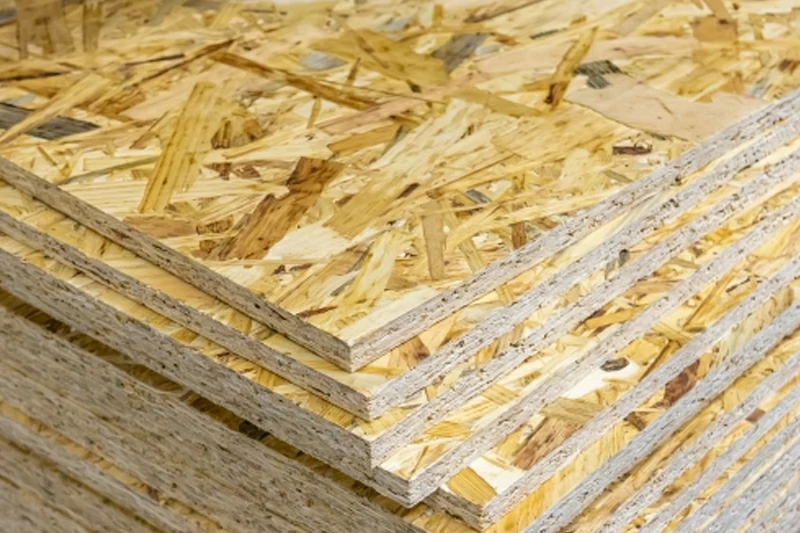
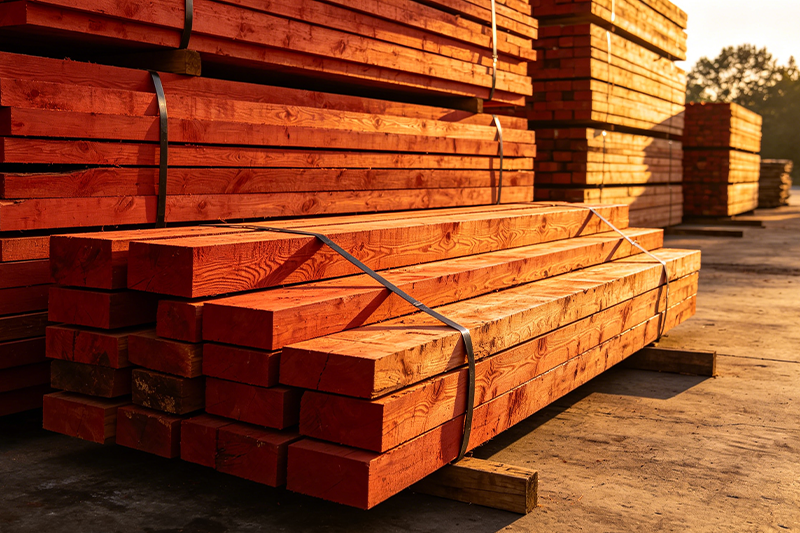
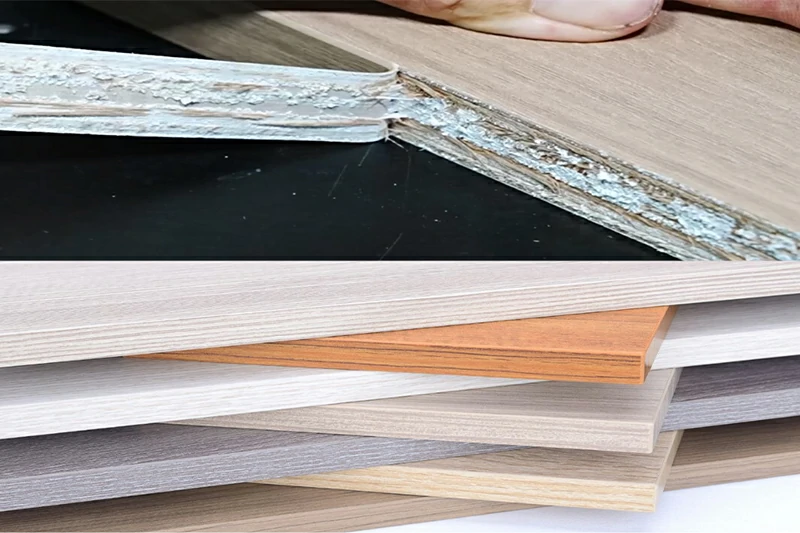
Solid wood pieces (pine, cypress, rubberwood, oak, ash, beech, teak, rosewood); Engineered wood boards (MDF, HDF, plywood, blockboard); Laminated & veneered panels (melamine boards, decorative plywood, laminated surfaces).

Applications

High-performance glues for strong, durable bonding in furniture manufacturing, cabinet assembly, edge banding, panel bonding, drawer making, flooring, and general woodworking applications.

Surface Preparation & Coating Compatibility

Surface Cleaning

Remove dust, oil, wax, and other contaminants from the wood surface to ensure it is clean and free from residues, preventing adhesion issues.

Surface Preparation / Sanding

Appropriately sand high-density or smooth substrates to increase surface roughness, enhancing the mechanical anchoring effect of the adhesive and improving bonding strength.

Moisture Content Control

Maintain the wood moisture content within an appropriate range (typically 8%–12%) to avoid issues such as improper curing, warping, or bond failure caused by excessive or insufficient moisture.

Dust Removal

After sanding, thoroughly remove dust to prevent particles from isolating the adhesive interface, which could affect wetting and final bonding performance.

Timely Adhesive Application / Bonding

Apply adhesive as soon as surface preparation is completed to avoid re-contamination or surface oxidation, ensuring optimal bonding performance.

Pressing / Curing

Apply pressure and allow the adhesive to cure, ensuring a strong and durable bond between wood components.

Technical Capabilities

Recent Projects / Case Studies

For the Production of Wood-Based Panels with High Hardness and High Moisture Content, A Fast-Curing Adhesive Is Required to Improve Production Efficiency. One component liquid PUR adhesive boasts outstanding performance advantages for woodworking applications. First, it features short bonding and curing time, which significantly cuts down the clamping period, accelerates production cycles, and boosts overall efficiency. Second, it has excellent waterproof performance, forming a permanent cross-linked bond after curing that resists moisture, humidity and water immersion, fully meeting the requirements of high-moisture or outdoor wood products. Most importantly, it is especially suitable for high-oil-content wood materials. Its unique chemical properties enable it to penetrate the oily surface of wood, overcome the bonding obstacles caused by grease, and form a firm and stable adhesive joint that is not easy to crack or delaminate.
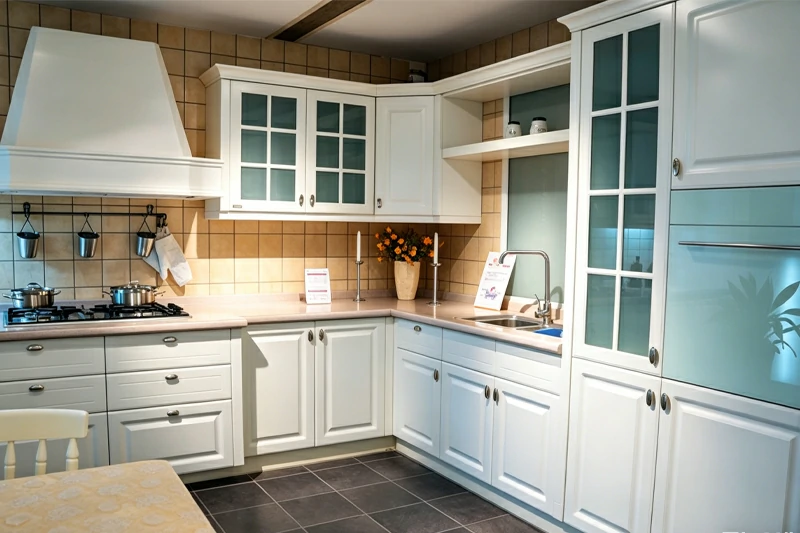
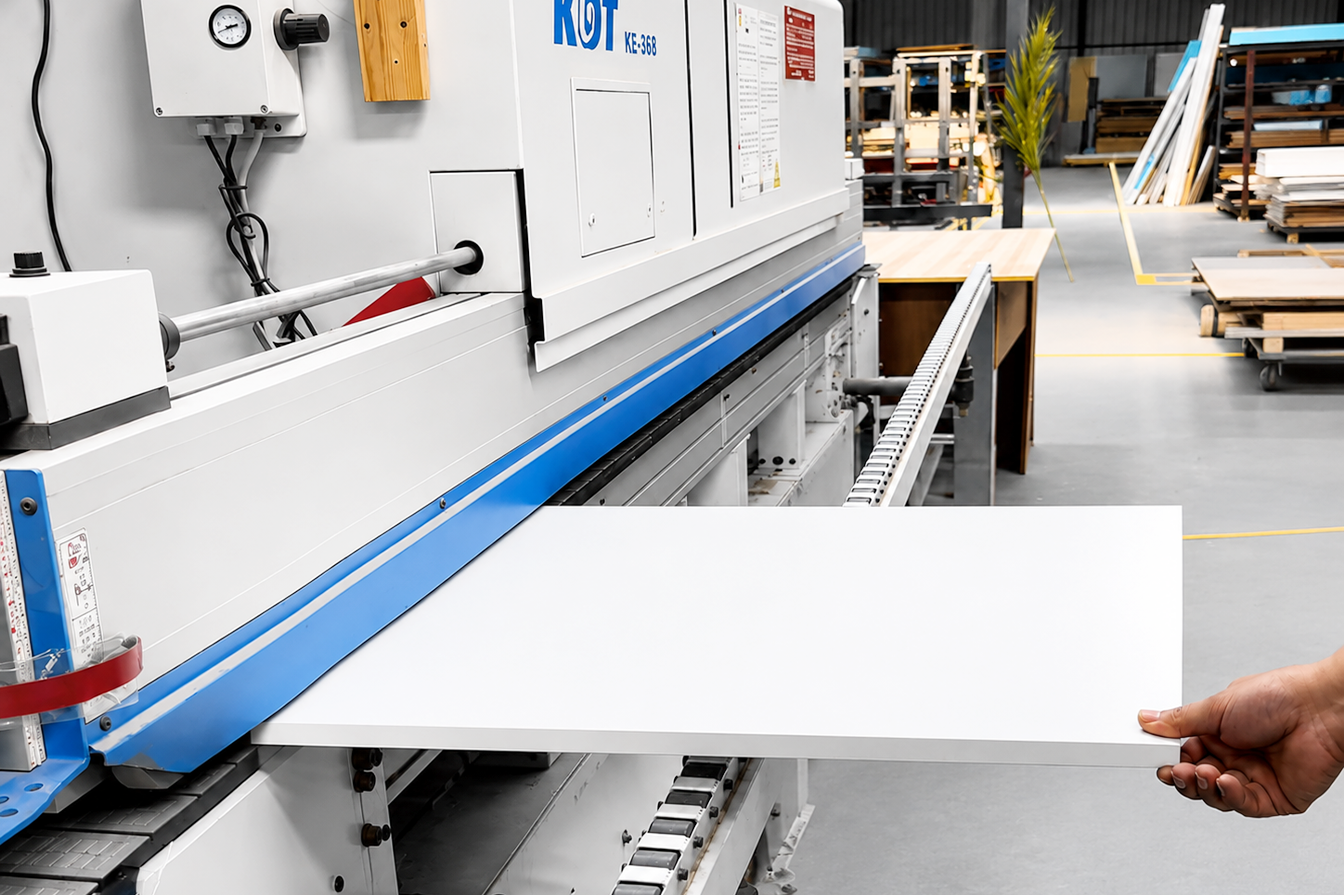
Outdoor Kitchen Cabinets Summary: The project required moisture-resistant edge bonding for outdoor kitchen cabinets, exposed to high humidity and temperature fluctuations, making durability a major concern.

Solution: We used PUR hot melt adhesive, which offers superior moisture and heat resistance. The adhesive ensured long-lasting bonding, even in harsh outdoor conditions, maintaining a strong and durable edge bond for the entire kitchen setup.
Blistering Occurs During Ironing When Veneering Wood? Cause: Excessive moisture remains in the wood after veneering, and the veneer is directly ironed with a high-temperature iron.The moisture reaches boiling point and vaporizes, leading to blistering and bulging.

Solution: Smooth the veneer in place and let it air-dry for a period of time before ironing. Note that do not leave the iron on a single spot for too long to avoid the above-mentioned blistering issue.
Discoloration (Blackening) of Veneer After Application Cause: Most commonly, the iron surface accumulates dirt over prolonged use, which transfers onto the veneer during ironing.

Solution: Clean the iron daily or regularly based on actual usage conditions to prevent dirt from transferring to the veneer.
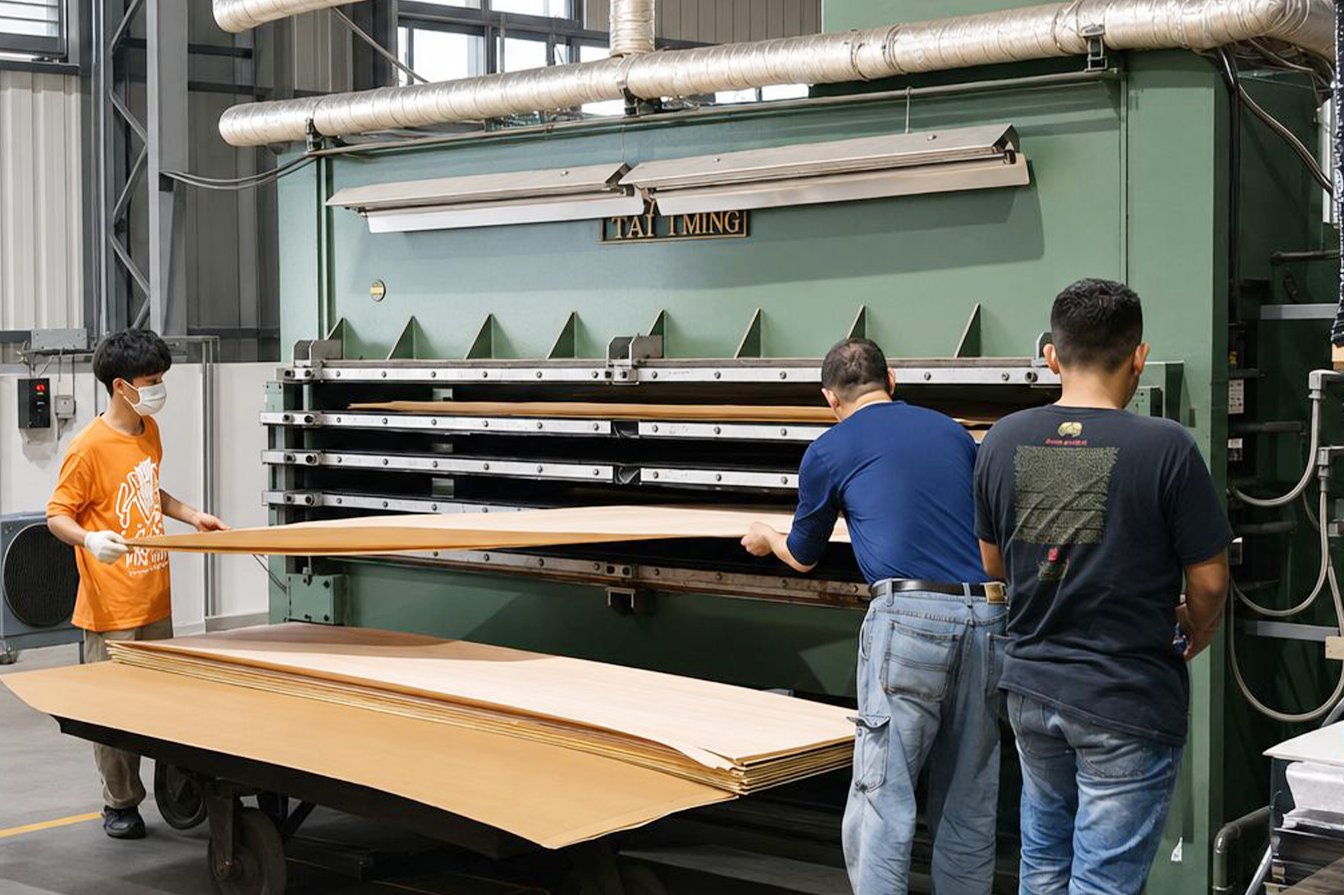
High-End Cabinet Door Vacuum Membrane Pressing Challenge: The challenge faced in this project was ensuring strong adhesion between the large surface area of the cabinet door and the substrate, particularly at the edges, where bulging and adhesive failure needed to be prevented. Additionally, the adhesive needed to provide high water resistance and durability for long-term use.

Solution: We used a high solid content vacuum membrane adhesive with excellent bonding strength, combined with precise coating techniques and optimal curing time. This ensured strong adhesion between the film and substrate, effectively preventing bulging, detachment, and other issues, while providing long-lasting water resistance.
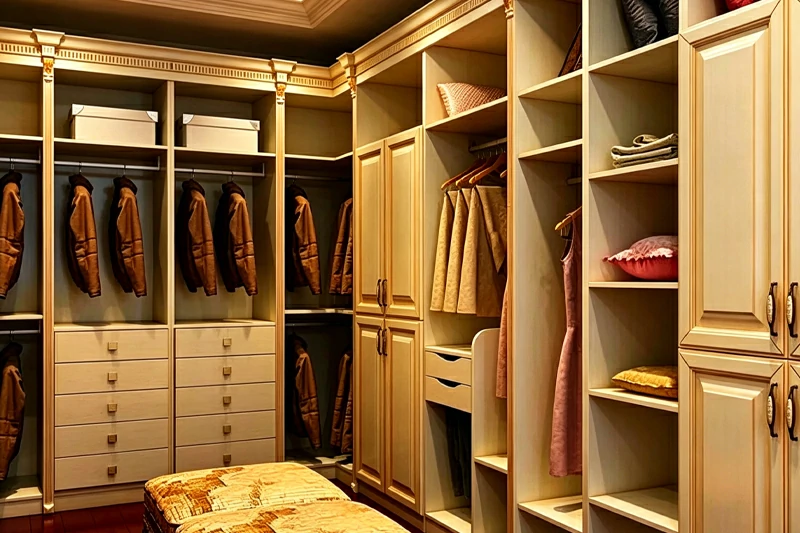
Customized Wardrobe Door Vacuum Membrane Pressing Summary: The challenge faced in this project was ensuring strong adhesion between the film and substrate of the customized wardrobe doors, especially under varying humidity and temperature conditions. The adhesive can provide a strong bond while preventing film detachment and edge delamination.

Solution: We used a high-bond-strength vacuum membrane adhesive, precisely controlling the adhesive coating and curing time. This ensured strong bonding between the film and substrate, maintaining stability under different environmental conditions, and preventing film detachment and edge delamination, significantly improving production efficiency.
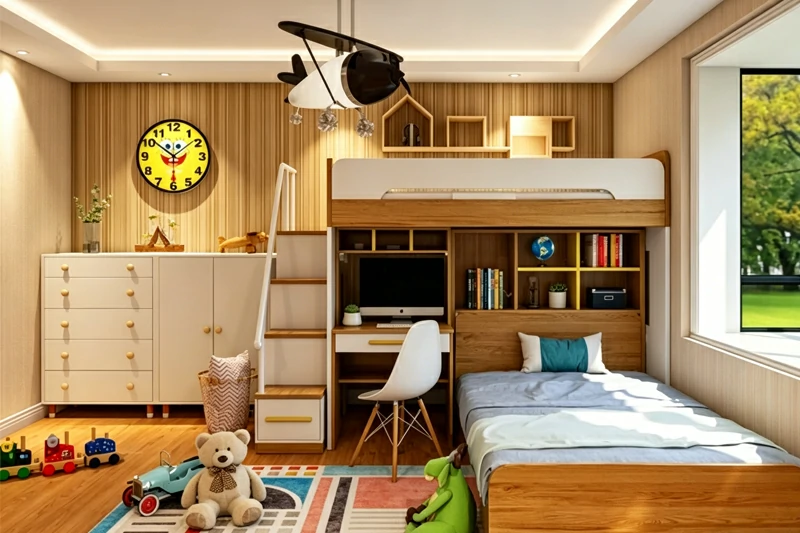
What Kind of Glue Is Suitable for the Assembly and Bonding of Children’s Furniture Panels? Water-based PVA White Emulsion Adhesive (Polyvinyl Acetate Emulsion Adhesive)

This is the top choice for bonding children’s furniture. It uses water as the solvent, contains no harmful volatiles such as formaldehyde or benzene, and emits no pungent odor after curing. It exhibits excellent adhesion to common furniture panels like solid wood, medium density fiberboard (MDF), and particleboard. The adhesive layer features high toughness, which can withstand slight daily collisions and bumps. It is suitable for scenarios such as splicing panels of children’s tables and chairs, assembling drawer frames, and fixing back panels. When purchasing, look for products certified to GB 18583-2008 or EU standards like REACH and EN 71-3.
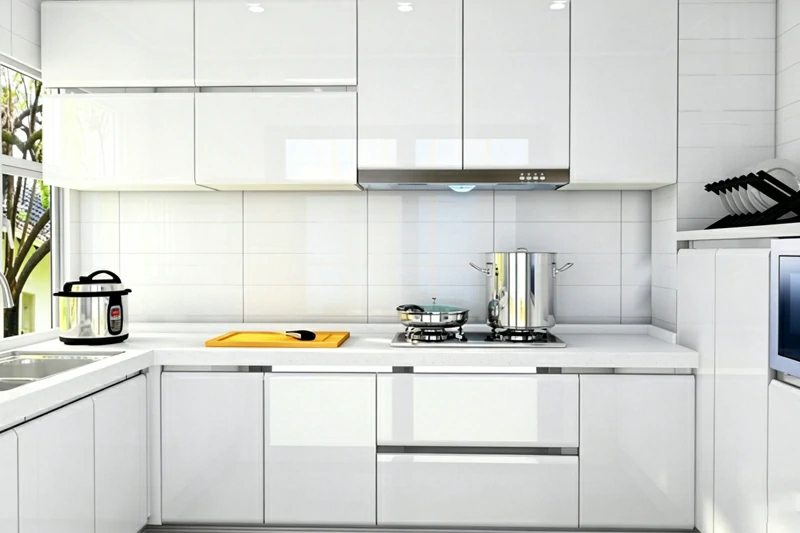
What Kind of Glue Should Be Selected for the Assembly and Bonding of Panels of Shili Kitchen and Bathroom Furniture? D3 Waterproof Water-based PVA White Emulsion Adhesive (Water-resistant Grade)

It is suitable for the bonding of non-load-bearing parts such as cabinet back panels and drawer side panels. Choosing water-resistant white emulsion adhesive can prevent adhesive layer failure caused by moisture in kitchens and bathrooms. With water as the solvent, it is environmentally friendly and non-toxic, easy to construct and can be cured at room temperature. The positioning effect will be better when used with woodworking clamps.
Why Choose Epoxy AB Adhesive for the Assembly of Load-Bearing Components for Furniture Tables, Chairs and Sofa Corners? Epoxy AB adhesive is the ideal choice for these load-bearing parts, mainly for three reasons. First, it delivers ultra-high bonding strength (over 20MPa) to withstand long-term weight and frequent impacts. Second, it has excellent resistance to water, temperature and aging, avoiding debonding in humid or changeable environments. Third, it cures into a rigid yet tough layer, ensuring structural stability of furniture joints.

Product Advantages

At KONSENT, “manufacturing” transcends mere production. It embodies a global perspective and intelligent systems that deliver unparalleled quality control and rapid delivery. Our manufacturing prowess is the cornerstone of your confidence in global operations.

Seamless Glue Line for Flawless Craftsmanship

Specially engineered for wood structures, this adhesive features deep grain penetration to form a powerful cross-linked bond with wood fibers. Its exceptional water and heat resistance allows furniture to easily withstand high-humidity environments like kitchens and bathrooms, effectively preventing glue aging, joint splitting, or wood warping over time.

Ultra-Strong Bond & Moisture Resistance

Specially engineered for wood structures, this adhesive features deep grain penetration to form a powerful cross-linked bond with wood fibers. Its exceptional water and heat resistance allows furniture to easily withstand high-humidity environments like kitchens and bathrooms, effectively preventing glue aging, joint splitting, or wood warping over time.

Odorless & Eco-Friendly for Healthy Living
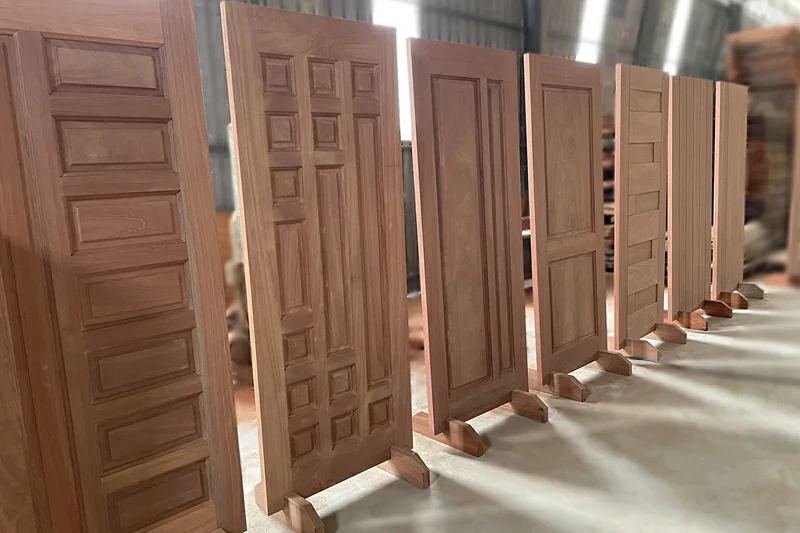
Formulated with a strict solvent-free, green recipe, its TVOC and formaldehyde emissions are far below rigorous national and international environmental standards. It remains entirely odorless during both processing and daily use, perfectly meeting modern consumers' core demands for eco-friendly homes and immediate move-in safety.
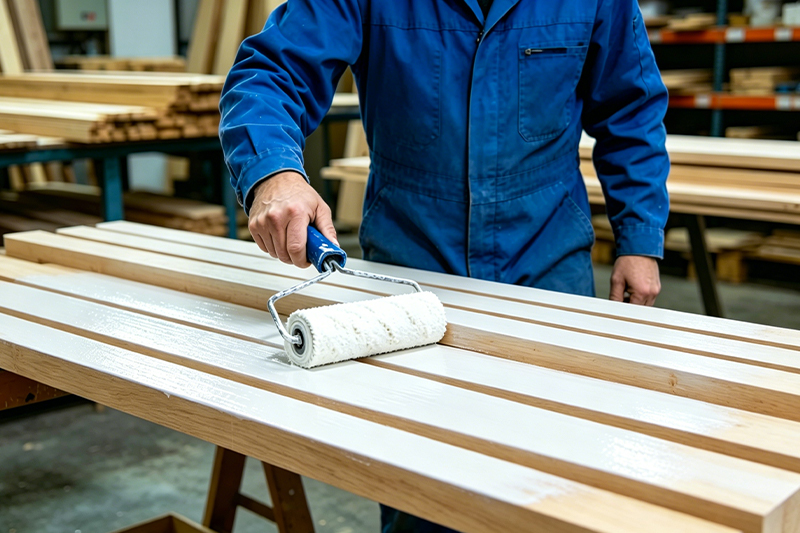
Application Scenarios

Edge-glued Solid Wood Panel

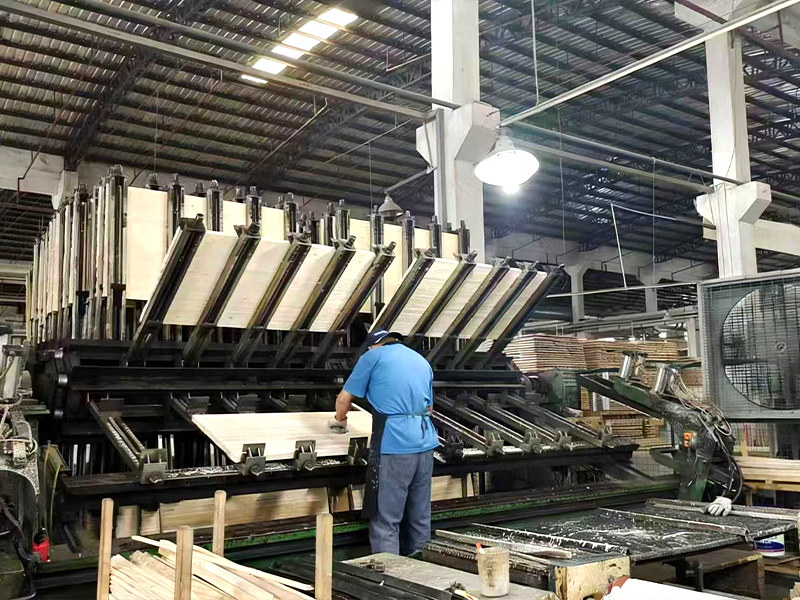
Solid wood splicing glue creates tight, gap-free joints for edge-glued panels. Boasting superior waterproof property and fast curing speed, it keeps furniture panels stable without loosening for years.

Lamination Glue for Wood Panels

Wood panel lamination glue has strong adhesion, waterproof rating and low formaldehyde. Eco-friendly, it resists delamination and suits hot and cold pressing for all furniture wood panels.

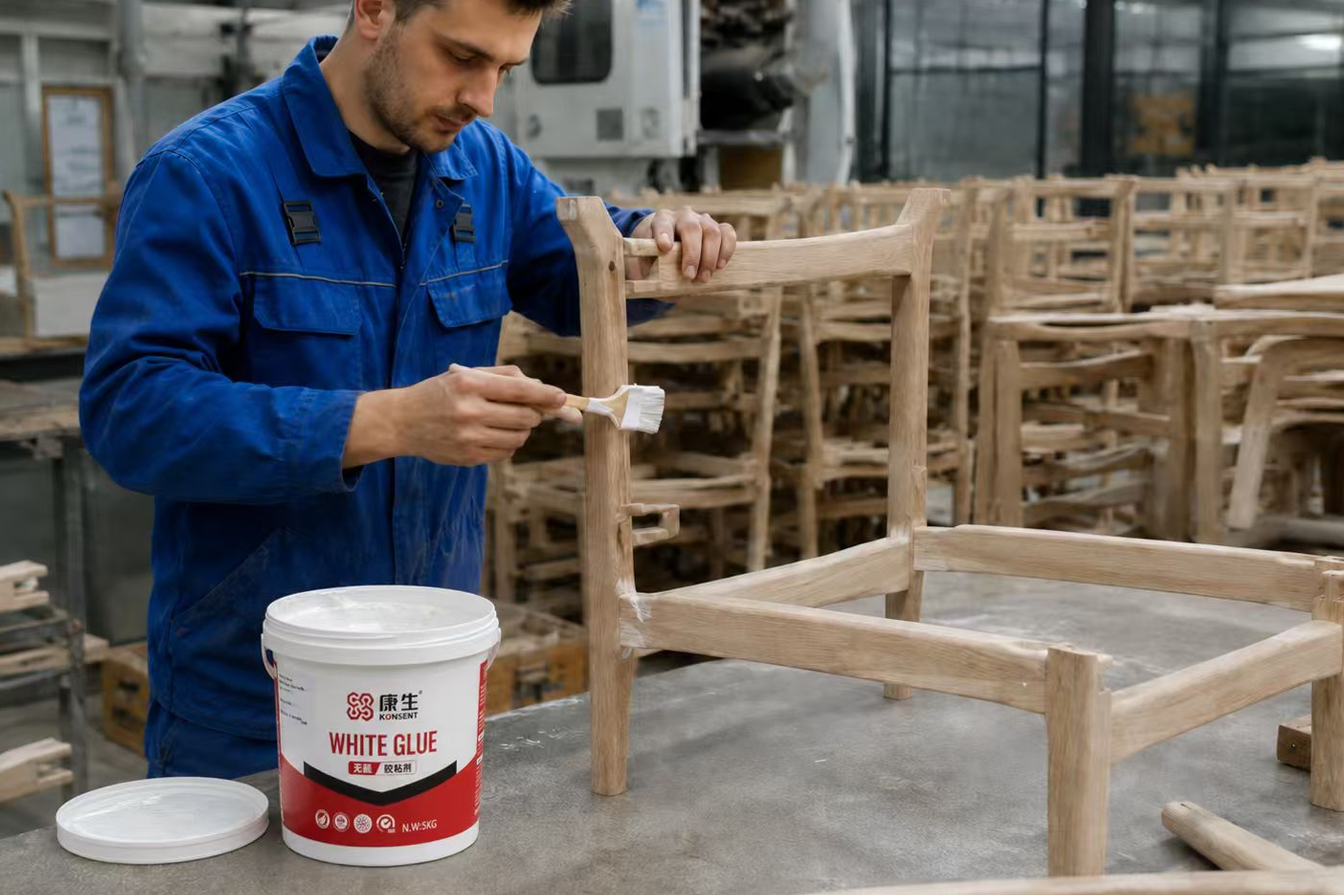
PVA Wood Assembly Glue

PVA Assembly Glue delivers reliable bonding for solid wood furniture assembly. Low VOC, non-toxic and eco-friendly, it cures fast, won’t creep and fits all wood joining operations perfectly.

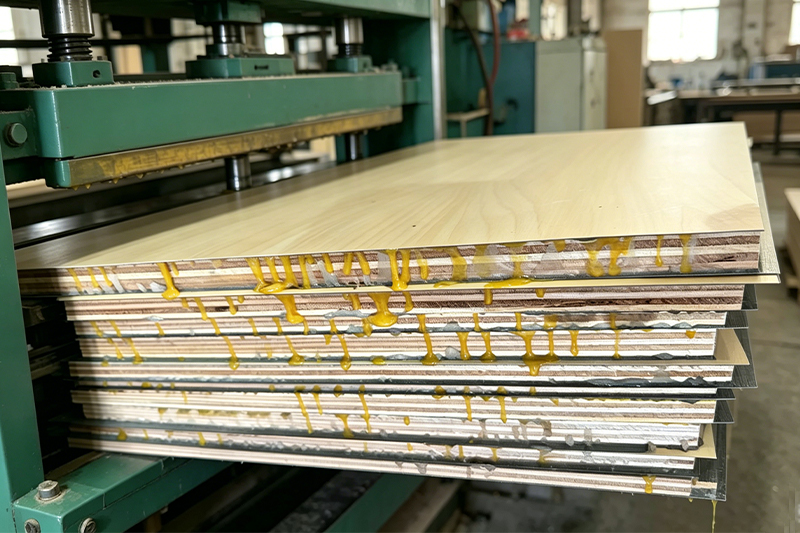
Hot Press Veneer Glue

High-strength hot press veneer glue firmly bonds veneer sheets, cures rapidly. Eco-friendly with stable adhesion, no peeling, perfectly suited for wood veneer hot lamination production.

Edge Banding Hot Melt Adhesive

Our edge banding hot melt adhesive features fast melting speed, strong initial tack and stable long-term adhesion. No edge peeling, high temperature resistance, ideal for edge banding machines of wood panels.

Vacuum Membrane Press Glue

Vacuum membrane press adhesive offers great flexibility and strong adhesion, free from bubbling or degumming. It fits vacuum forming machines for PVC foil and wood panel laminating perfectly.

Frequently Asked Questions

One-Component Liquid Pur Panel Bonding Adhesive

The optimal application temperature ranges from 15℃ to 30℃. This temperature window ensures fast curing speed and stable bonding effect, avoiding insufficient adhesion caused by extreme temperatures.

Yes, it excels at bonding high-oil wood. Its unique formula penetrates oily wood surfaces, forming firm cross-linked bonds that prevent cracking and delamination in high-end furniture production.

Unused PUR adhesive should be stored in a sealed container at 5–25℃, away from moisture and direct sunlight. Proper storage preserves its reactivity and extends the shelf life effectively.

Uncured PUR adhesive can be cleaned with dedicated PUR cleaner. Once fully cured, it forms an insoluble solid, so timely wiping during construction is recommended to keep workpieces tidy.

Hot-Melt Adhesive for Furniture Edge Banding

EVA hot melt adhesive is designed for standard to moderate temperature environments and offers fast curing for high production efficiency. PUR hot melt adhesive, however, excels in high-temperature and high-humidity environments, providing superior bonding strength, durability, and resistance for demanding applications.

Insufficient heating temperature, excessive application, or low ambient temperature. If the adhesive is not heated to the recommended temperature or applied too thickly, it cannot cure quickly.

Unclean or wet substrate surfaces, insufficient curing time, or uneven application. Oil, dust, or moisture on the substrate can weaken the bond strength.

Uneven adhesive application or overuse of adhesive. Improper or incorrect application tools can cause too thick or too thin a layer of adhesive.

Veneer Bonding Adhesive

Bubbles are mainly caused by excessive glue spread, uneven pressing, mismatched moisture content or insufficient temperature. Keep the moisture content of substrate and veneer between 8%–12%. For hot pressing, set temperature at 60–80℃ for 3–5 minutes; if using an electric iron, press each area for 3–5 seconds.

Choose glue with high solid content and low water content. Control the glue spread at 120–150g/㎡ and apply thinly and evenly. Avoid over pressing. For ultra-thin veneer (thickness below 0.3mm), use special low-penetration veneer glue.

Do not add hot water directly. We recommend cold-resistant veneer glue. Keep the working temperature above 10℃. You can warm the glue barrel with warm water (temperature ≤40℃) and stir well before use.

Suitable for cabinet assembly and back panel fixing of custom whole-house wardrobes, kitchen cabinets and wine cabinets. Moisture-resistant and anti-deformation, it can handle complex structural splicing of custom furniture and improve product durability.

 Insufficient glue coverage and pressure on edges, or high moisture content of veneer are the main reasons. Apply extra glue and add extra pressure on edges, and extend pressing time. Make sure the substrate edges are smooth, and soften the veneer in advance before pasting.

Our water-based PVA veneer glue contains no or low formaldehyde. It meets E0 standard, SGS and other environmental certifications. It has faint odor, non-flammable and will not damage veneer, ideal for indoor furniture and export orders.

Yes. For manual work, pick grades with strong initial tack and fast drying. For machine hot pressing, choose heat-resistant glue with proper open time. For thick veneer (over 0.6mm) and special-shaped surfaces, use flexible glue to avoid cracking after curing.

Laminating Adhesive

Ensure the bonding surfaces of wood, MDF or blockboards are clean, dry and free of dust, oil and debris to avoid weak adhesion or glue marks.

Apply the glue evenly with a suitable amount—excess glue causes overflow, while insufficient glue leads to delamination. Adjust coating thickness based on substrate porosity.

Store the adhesive in a cool, dry place away from direct sunlight. Construct at 15–25℃ with 40–60% humidity to ensure stable curing effect.

Uneven adhesive application or overuse of adhesive. Improper or incorrect application tools can cause too thick or too thin a layer of adhesive.

Vacuum Forming

Insufficient adhesive application or low board density, causing excessive adhesive absorption.
The PVC film is too thick, exceeding the bonding strength of the adhesive.
The PVC film is not adequately preheated or softened before pressing.
Pressure is released too early during the vacuum membrane pressing process.

A rough or poorly sanded surface leads to uneven adhesive distribution.
Excessive temperature causes the adhesive to volatilize or deteriorate, affecting surface smoothness.
Insufficient pressure from the vacuum membrane press prevents the film from bonding evenly to the surface.
An overly thin PVC film has limited stretchability and cannot uniformly cover the surface.

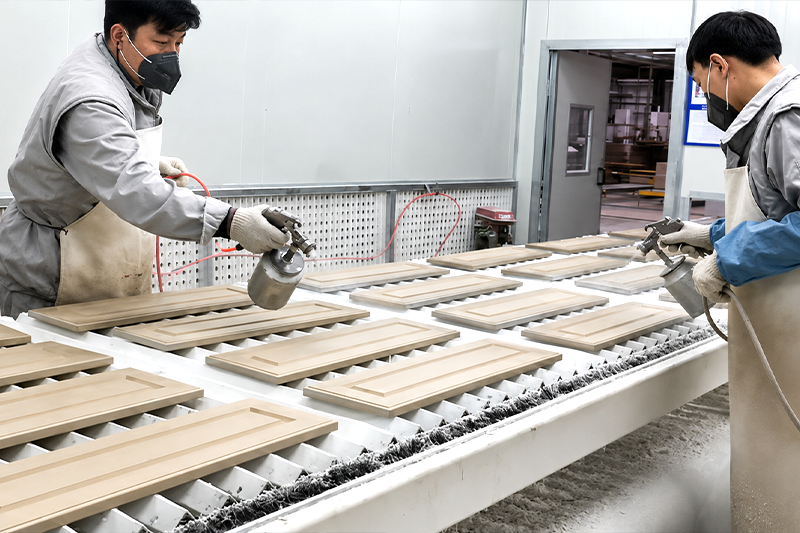
An oversized spray nozzle results in uneven adhesive spraying.Uneven glue application, with excessive adhesive in certain areas.Poor adhesive atomization, producing large or inconsistent particles.The curing agent is not mixed thoroughly, causing uneven curing of the adhesive.

Insufficient adhesive applied to the edges.
Inadequate pad height, leading to uneven adhesive distribution.
The spacing between processed panels is too narrow, resulting in insufficient adhesive coverage at the edges.Vacuum membrane press pressure is set too low.
The selected adhesive has insufficient bonding strength.

The adhesive has poor heat resistance.
No curing agent was added during adhesive mixing.
The curing agent ratio does not meet the specified requirements.

Assembly Adhesive

 Yes, our assembly adhesives are fully eco-friendly. Our water-based variant is solvent-free, low-VOC and free of formaldehyde/benzene. D3 and AB adhesives meet EU REACH, EN 71 and China GB 18583 standards, with no harmful residues post-curing and water-washable during construction.

Suitable for panel splicing, mortise and tenon jointing, finger jointing and frame assembly of solid wood furniture, panel furniture, children’s furniture and kitchen & bathroom furniture. Bonds solid wood, MDF, particleboard, fireproof board and other substrates, meeting furniture structural strength and environmental protection requirements.

Applied to the production and assembly of wooden doors, windows and floors, as well as the bonding and fixing of wooden crafts, photo frames and decorative moldings. The adhesive layer has good toughness, is not easy to crack, meeting the daily use and decorative needs of wooden products.

Suitable for cabinet assembly and back panel fixing of custom whole-house wardrobes, kitchen cabinets and wine cabinets. Moisture-resistant and anti-deformation, it can handle complex structural splicing of custom furniture and improve product durability.

Get Your Free Sample & Technical Data Sheet Today

Get a Free Quote