Selecting the wrong adhesive in automated furniture manufacturing leads to delamination, severe edge peeling, and costly product returns. The decision between PUR (Polyurethane Reactive) and EVA (Ethylene Vinyl Acetate) hot melt adhesives dictates not only the environmental durability of your final product but also the efficiency of your production line. In general, PUR is superior for high-end, moisture-resistant applications like kitchen and bathroom cabinets, while EVA remains the highly cost-effective standard for mass-producing standard indoor furniture. This guide provides a comprehensive technical framework to help production engineers and procurement managers select the ideal adhesive solution for their specific woodworking processes.
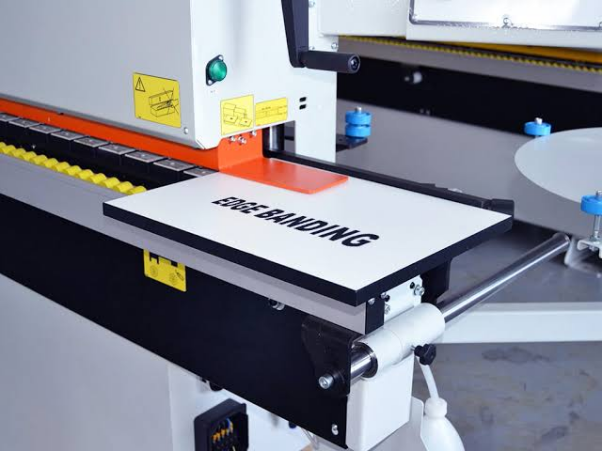
Table of Contents
- Understanding the Shift: Why Adhesive Selection Dictates Furniture Quality
- Curing Mechanisms: The Technical Difference Between PUR and EVA
- Technical Comparison: PUR vs EVA Performance in Mass Production
- Application Scenarios: Selecting the Right Adhesive for Your Process
- Key Factors for Industrial Procurement Decisions
- Conclusion & Expert Recommendation
1. Understanding the Shift: Why Adhesive Selection Dictates Furniture Quality
Adhesive selection directly dictates furniture quality because it determines the structural integrity, environmental resistance, and aesthetic finish of modern composite wood panels under long-term stress.
The furniture manufacturing industry is undergoing a rapid transformation. Traditional solid wood is increasingly being replaced by engineered substrates like MDF, particleboard, and plywood. Simultaneously, consumer demand for premium decorative surfaces—such as high-gloss PET, PVC, acrylic, and HPL (High-Pressure Laminate)—is at an all-time high.
This evolution places immense stress on furniture adhesives. Traditional mechanical fasteners cannot be used on ultra-thin decorative panels or modern composite boards without causing structural damage or aesthetic flaws. Consequently, manufacturers must rely entirely on the chemical and physical bonding strength of adhesives. Using a substandard adhesive on high-stress areas like cabinet edges or laminated panels guarantees field failures, especially in demanding environments or during long-distance export shipping where temperature and humidity fluctuate wildly.
2. Curing Mechanisms: The Technical Difference Between PUR and EVA
EVA hot melt adhesive cures entirely through a reversible physical cooling process, whereas PUR hot melt adhesive undergoes a two-step process: physical cooling for initial tack, followed by a non-reversible chemical cross-linking with ambient moisture.
To understand which adhesive fits your production line, you must first understand how they fundamentally behave at a chemical level.
EVA (Ethylene Vinyl Acetate) Curing
EVA is a thermoplastic adhesive. It melts into a liquid when heated, wets the substrate, and regains its solid strength simply by cooling down to room temperature. Because this is purely a physical phase change, the process is completely reversible. If an EVA-bonded piece of furniture is exposed to high heat (e.g., near an oven or in a shipping container), the adhesive can soften, lose its tensile strength, and cause the edge banding or veneer to peel away. However, this thermoplastic nature makes EVA incredibly easy to process, clean, and reactivate on standard high-speed lines.
PUR (Polyurethane Reactive) Curing
PUR is a thermosetting adhesive. Like EVA, it provides rapid initial tack through physical cooling. However, over the next 24 to 72 hours, the urethane polymers react with moisture in the air and in the wood substrate itself to form an irreversible, cross-linked chemical network. Once this cross-linking is complete, the adhesive cannot be remelted. This chemical bond grants PUR exceptional mechanical strength, absolute moisture resistance, and high thermal stability (often withstanding temperatures up to 150°C without bond failure).
3. Technical Comparison: PUR vs EVA Performance in Mass Production
PUR consistently outperforms EVA in thermal stability, moisture resistance, and glue line aesthetics, but EVA is preferred for rapid, low-maintenance production where extreme environmental durability is not required.
When evaluating woodworking adhesives for factory integration, production engineers must weigh the long-term performance against operational complexity. Below is a deep technical breakdown of how these two adhesive systems compare in active manufacturing environments.
| Evaluation Factor | EVA Hot Melt Adhesive | PUR Hot Melt Adhesive | Manufacturing Recommendation |
| Moisture Resistance | Low to Moderate | Extremely High | PUR is mandatory for bathroom/kitchen furniture. |
| Heat Resistance | Up to 70°C – 80°C | Up to 150°C | PUR prevents peeling near ovens and heating vents. |
| Bond Line Aesthetics | Thick, often visible | Ultra-thin, invisible | PUR is required for seamless, high-gloss premium panels. |
| Machine Maintenance | Simple (Can be reheated) | Complex (Requires purging) | EVA minimizes downtime on standard production lines. |
| Cost per KG | Lower | Higher | PUR yields a lower coat weight, offsetting the higher cost. |
| Curing Speed | Immediate upon cooling | Fast initial tack, days to fully cure | EVA allows for immediate aggressive downstream processing. |
Decision Logic for Manufacturers:
- Select EVA Hot Melt when manufacturing flat-pack bedroom furniture, standard office desks, or living room cabinetry where indoor temperatures are stable and moisture exposure is minimal.
- Select PUR Hot Melt when manufacturing premium kitchen cabinets, bathroom vanities, export-bound furniture, or applying high-gloss laminates where an invisible glue line is non-negotiable.
4. Application Scenarios: Selecting the Right Adhesive for Your Process
Selecting the correct formulation requires matching the adhesive’s specific viscosity, open time, and strength profile to the exact manufacturing process, whether it is edge banding, panel flat-lamination, or membrane pressing.
It is not enough to simply choose “PUR” or “EVA.” The application method dictates the exact chemical requirements of the edge banding adhesive or lamination adhesive utilized on the factory floor.
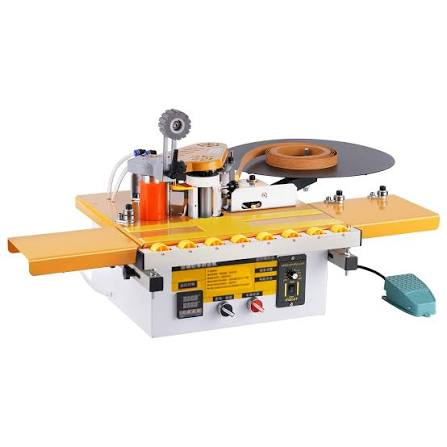
Edge Banding
Edge banding involves applying PVC, ABS, acrylic, or melamine tapes to the exposed edges of MDF or particleboard.
- Technical Challenge: Edge banding happens at high speeds (up to 30 meters per minute or more). The edge banding glue must melt rapidly, coat the substrate without stringing, and solidify instantly upon roller pressure.
- Solution: For high-end kitchen cabinets requiring clean edge finishing and steam resistance, PUR is strictly recommended. For standard residential wardrobes where cost efficiency is paramount, high-viscosity EVA provides excellent gap-filling and rapid machine processing.
Panel Lamination
Laminating decorative films, PET, HPL, or melamine paper onto large wood panels requires adhesives with excellent surface wetting and extended open times.
- Technical Challenge: Large surface areas are prone to air entrapment, bubbling, or uneven adhesive spread (telegraphing).
- Solution: A specialized PUR lamination adhesive is frequently used for high-gloss PET panels because it allows for a microscopic coat weight, preventing any adhesive bumps from showing through the reflective surface.
Wood Veneer Bonding
Applying high-value, ultra-thin wood slices onto core substrates demands absolute precision to protect the surface aesthetic.
- Technical Challenge: Thin, porous veneers are highly susceptible to “bleed-through,” where the glue penetrates the wood grain, ruining the final stained finish.
- Solution: An engineered wood veneer adhesive with controlled penetration and stable viscosity prevents bleed-through while providing the durable adhesion needed to stop veneer curling over time.
Furniture Assembly & General Woodworking
Structural bonding of wooden dowels, tenons, and cabinets requires adhesives that can handle dynamic physical loads and substrate expansion.
- Solution: Dedicated woodworking adhesives formulated for assembly provide deep fiber penetration, ensuring the bonded joint is stronger than the wood itself, minimizing rework and structural failures during long-term residential use.
5. Key Factors for Industrial Procurement Decisions
For procurement managers, the most profitable adhesive decision is based on holistic production efficiency, multi-substrate compatibility, and expert technical support, rather than the initial cost per kilogram.
In large-scale B2B manufacturing, optimizing the supply chain for furniture adhesives goes beyond comparing spec sheets. Real commercial value and risk mitigation stem from the following operational triggers:
- Production Line Compatibility: Can the adhesive run on your existing automated equipment? While PUR offers superior performance, it requires specialized, sealed melting tanks (due to its moisture reactivity) and strict machine purging protocols. If your factory runs standard open-glue pots, you must either upgrade your machinery or select a highly optimized EVA formula.
- Substrate Versatility: Modern factories process diverse materials daily. A high-quality adhesive must provide reliable bonding across MDF, particleboard, plywood, solid wood, and multiple edge tapes (PVC, ABS, PET). Switching glues for every material slows down production; versatile formulations maximize throughput.
- Cost Optimization via Coat Weight: While PUR is inherently more expensive per kilogram than EVA, it achieves superior bond strength at a much thinner coat weight. Furthermore, PUR practically eliminates expensive product returns caused by heat-induced delamination. When factoring in reduced material consumption and lower defect rates, PUR often results in a lower overall manufacturing cost for premium lines.
- Customized Technical Support: Adhesive performance fluctuates based on seasonal factory temperature, humidity, and machine feed rates. Procurement teams must partner with suppliers capable of tweaking the chemical formulation—adjusting open times or viscosity—to match the exact operating environment of the factory.
6. Conclusion & Expert Recommendation
The debate between PUR and EVA is not about one adhesive being universally “better” than the other; it is about strategically matching the chemical properties of the adhesive to the rigorous demands of your final product and the capabilities of your machinery.
Expert Decision Rule:
- Use EVA for standard residential, office, and flat-pack furniture where high-speed production, easy machine maintenance, and cost control are the primary manufacturing objectives.
- Use PUR for premium decorative panels, kitchen cabinets, bathroom furniture, and export goods where invisible glue lines, total moisture resistance, and immunity to high temperatures are absolute requirements.
Secure Your Production with KONSENT Adhesive Solutions
At KONSENT, we do more than manufacture adhesives; we provide comprehensive bonding solutions engineered for your specific edge banding, panel lamination, and furniture assembly processes. Whether you are scaling up standard EVA production or transitioning to high-performance PUR systems, our technical team offers the customized formulations and on-site process optimization needed to eliminate machine downtime and product defects. Contact KONSENT today for technical consultation, sample evaluation, or custom adhesive engineering.
For the broader selection framework that positions the PUR vs EVA decision within substrate, machine, and environment factors, see our industrial woodworking adhesive selection guide.
Frequently Asked Questions (FAQs)
1. Can I use PUR hot melt adhesive in my existing EVA edge banding machine?
Generally, no. Because PUR reacts with moisture in the air to cure, it cannot be left in a standard open glue pot. It requires a specialized, sealed application system (like a melter with a nitrogen blanket or Teflon-coated sealed tank) to prevent the adhesive from cross-linking and permanently hardening inside the machine.
2. Why does my edge banding peel off on kitchen cabinets?
Edge peeling on kitchen cabinets usually occurs because standard EVA edge banding glue reactivates and softens when exposed to high heat from ovens or steam from boiling water. Switching to a highly heat-resistant PUR adhesive prevents this thermal reactivation.
3. Is PUR adhesive significantly more expensive than EVA?
While the unit price (per kilogram) of PUR is higher than EVA, PUR requires a much thinner coat weight to achieve a stronger bond. When combined with the drastic reduction in product returns and warranty claims, PUR is often highly cost-effective for premium furniture lines.
4. What is the best adhesive for high-gloss PET panel lamination?
PUR lamination adhesive is the industry standard for high-gloss PET panels. Its ability to be applied in an ultra-thin, perfectly smooth layer prevents “telegraphing” (where adhesive bumps show through the reflective surface), ensuring a flawless mirror finish.
5. How long does PUR adhesive take to fully cure?
While PUR provides excellent initial tack immediately upon cooling (allowing parts to move down the production line without delay), the full chemical cross-linking process triggered by ambient moisture typically takes between 24 to 72 hours, depending on factory humidity and temperature.
6. How do I prevent adhesive bleed-through when using wood veneer glue?
Bleed-through occurs when adhesive viscosity is too low or application pressure is too high, pushing the glue through the pores of thin veneers. This can be solved by utilizing a specially formulated wood veneer adhesive with customized high viscosity and strictly controlling your machine’s coat weight and pressing parameters.