In industrial furniture manufacturing, adhesive failure leads directly to loose joints, severe edge peeling, veneer delamination, and costly product returns. When wood glue fails to bond, the root cause is rarely the chemical itself; rather, it is a mismatch between the adhesive formulation, the substrate properties, and automated production parameters. Addressing these issues systematically allows production managers to optimize high-speed manufacturing lines and eliminate structural defects.
Table of Contents
- The True Cost of Bonding Failure in Modern Woodworking
- 10 Common Causes of Wood Glue Failure and Their Solutions
- Evaluating Adhesive Compatibility by Substrate
- Key Procurement Factors to Reduce Production Defects
- Conclusion & Expert Recommendation
1. The True Cost of Bonding Failure in Modern Woodworking
Adhesive failure in high-volume furniture production stems from mismatched chemical properties, improper curing environments, or surface contamination, leading to catastrophic structural weakness and continuous machine downtime.
The modern woodworking industry relies heavily on engineered substrates such as MDF, particle board, plywood, and highly finished decorative laminates. These materials possess drastically different porosity levels, surface tensions, and structural densities compared to traditional solid wood. Consequently, utilizing a generic wood adhesive in a continuous automated environment guarantees high defect rates. Modern woodworking adhesives are strictly evaluated on long-term durability, moisture resistance, heat tolerance, and substrate compatibility. A microscopic flaw in adhesive spreading or an incorrect factory ambient temperature can disrupt the entire curing matrix.
2. 10 Common Causes of Wood Glue Failure and Their Solutions
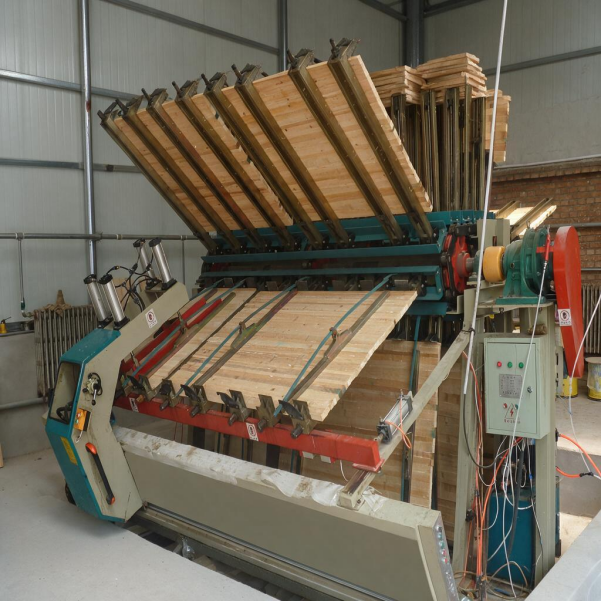
The most frequent causes of wood glue failure involve incorrect adhesive selection, incompatible wood moisture content, insufficient pressing pressure, and extreme temperature fluctuations during the curing phase.
Understanding the root cause of these failures is essential for implementing permanent manufacturing solutions. Here are the ten most common culprits and how to resolve them on the factory floor.
1. Incorrect Adhesive Selection
Different industrial processes demand distinct chemical behaviors. Edge banding requires an edge banding adhesive with aggressive initial tack, while flat lamination requires a lamination adhesive with a longer open time. To resolve this, factory technicians must specify the adhesive strictly based on the machine process rather than relying on a “one-size-fits-all” approach. In my experience, isolating adhesives by application—such as using dedicated furniture assembly adhesive for structural joints and specialized hot melts for edge banding—instantly drops the defect rate.
2. Poor Surface Preparation
Adhesives require intimate contact with wood fibers to cross-link. Dust from CNC machining, residual factory oils, and uneven planing act as barrier layers. Production engineers must integrate automated air-blast or brush cleaning systems immediately before the glue application station. I always advise plant managers that pristine, flat surfaces are just as important as the glue chemistry itself; skipping surface prep guarantees a weak physical bond.
3. Incompatible Wood Moisture Content
The moisture content of the substrate dictates how liquid adhesives penetrate. Excessive moisture dilutes water-based adhesives, drastically slowing curing times. Conversely, over-dried wood pulls moisture out of the adhesive too rapidly. Maintaining rigid factory climate control is essential. Ensure substrate moisture content aligns precisely with the technical specifications of your wood panel glue (typically between 8% and 12%).
4. Insufficient Adhesive Amount (Coat Weight)
Applying too little adhesive prevents complete surface coverage, causing “starved joints.” In automated lines, low viscosity or inadequate roller gap settings cause uneven adhesive distribution. Operators must calibrate glue spreaders based on material porosity. For example, highly porous particle boards require a higher coat weight than denser materials. From a production standpoint, attempting to save money by dialing back the glue spreader is a false economy—the cost of reworking a failed joint far exceeds the pennies saved on adhesive.
5. Inadequate Pressing Conditions
Pressure forces the adhesive deep into the wood pores while eliminating trapped air. If hydraulic pressure is too low, the bond line becomes thick and weak; if pressing time is cut short, the chemical bonds fracture before they stabilize. Lock in pneumatic or hydraulic pressing parameters strictly according to the adhesive’s technical data sheet (TDS). Never move laminated or assembled parts before the minimum setting time is reached.
6. Extreme Temperature Fluctuations
Temperature manipulates adhesive viscosity. Low ambient factory temperatures cause hot melts to cool and solidify before parts are joined, while high temperatures degrade polymer structures. Both the ambient factory temperature and the substrate temperature must be monitored. In winter, storing substrates in heated staging areas before processing prevents thermal shock to hot melt adhesives, a critical step that many high-volume plants overlook.
7. Improper Adhesive Storage
Polymer emulsions and reactive hot melts degrade over time. Exposure to ambient humidity, extreme warehouse heat, or freezing temperatures destroys the chemical cross-linking agents. Enforcing a strict First-In-First-Out (FIFO) inventory system and storing all industrial woodworking adhesives in climate-controlled environments is mandatory. According to the Wikipedia entry on Ethylene-vinyl acetate (EVA), this copolymer’s thermoplastic nature makes it highly susceptible to thermal degradation if repeatedly overheated or stored improperly, which directly impacts its melting and bonding profile.
8. Substrate Incompatibility
Furniture manufacturing utilizes diverse synthetic surfaces, including PVC, ABS, PET, and HPL. An adhesive designed for porous solid wood will chemically reject a non-porous PET film. Destructive peel tests must be conducted for every new substrate combination. According to the Wikipedia entry for Medium-density fibreboard (MDF), this engineered wood product is made by breaking down wood residuals into fibers and combining them with wax and a resin binder. The unique density and chemical makeup of MDF require specific multi-substrate adhesives explicitly engineered to cross-link with both the wood fibers and synthetic laminates.
9. Production Speed Exceeding Curing Time
High-speed automated edge banders running at 25+ meters per minute require adhesives with instant setting speeds. If a slow-curing adhesive is used, panels will separate immediately after leaving the pressure rollers. Synchronizing the adhesive’s “open time” and “setting time” exactly to the feed rate of your automated machinery is non-negotiable. Speeding up the machine without upgrading the glue formulation is a recipe for instant delamination.
10. Substituting Industrial Grades with Household Glues
Consumer-grade wood glues lack the shear strength, thermal stability, and moisture resistance required for large-scale manufacturing. They cannot withstand the mechanical stress of continuous automated processing. Upgrading to professional-grade formulations ensures batch-to-batch consistency. The Wikipedia entry for Polyurethane notes that these polymers are formed by reacting a di- or polyisocyanate with a polyol. In industrial reactive hot melts (PUR), this complex chemical mechanism relies on ambient moisture to complete an irreversible cross-linking process—a level of durability impossible to achieve with household PVA glues.
3. Evaluating Adhesive Compatibility by Substrate
Ensuring substrate compatibility prevents chemical rejection between the adhesive and the panel surface, dictating long-term bond durability across engineered woods and synthetic laminates.
| Substrate / Application | Common Defect | Technical Requirement | Recommended Adhesive Type |
| MDF to PVC Edge Banding | Edge tape peeling off | High initial tack, thermal resistance | Polyurethane (PUR) or High-Heat EVA Hot Melt |
| Particle Board Lamination | Starved joints, delamination | High solids content to prevent over-absorption | Industrial Panel Lamination Adhesive |
| Thin Wood Veneer | Dark glue lines, bleed-through | Controlled viscosity, neutral color profile | Specialized Wood Veneer Adhesive |
| Solid Wood Assembly | Joint fracturing under stress | High shear strength, slight elasticity | Industrial Structural Assembly Adhesive |
| PET/HPL to MDF | Surface bubbling, telegraphing | Ultra-thin, flawless spreadability | PUR Flat Lamination Hot Melt |
4. Key Procurement Factors to Reduce Production Defects
Industrial buyers must prioritize multi-substrate compatibility, batch-to-batch consistency for automated lines, and comprehensive supplier technical support to effectively reduce factory downtime and product reject rates.
For procurement managers and factory directors, solving “glue not sticking” is a strategic supply chain decision. The ultimate goal is minimizing open joints, rework, and scrap rates. Reliable industrial adhesive performance ensures that components remain bonded from the pressing line through to the end consumer.
Factories process multiple materials daily. Procurement requires clear answers regarding substrate compatibility—sourcing multi-substrate formulations reduces the need for constant machine changeovers. Furthermore, a capable wood glue manufacturer guarantees batch consistency, ensuring adhesives maintain stable viscosity and setting speeds during continuous operation. Finally, factories require suppliers who offer on-site process optimization, application testing, and root-cause failure analysis, transforming a simple chemical purchase into a robust manufacturing partnership.
5. Conclusion & Expert Recommendation
Wood glue failure is rarely an isolated incident; it is a symptom of incompatible chemical formulations, incorrect factory conditions, or mismatched machine parameters. To eliminate defects like edge peeling and veneer delamination, manufacturers must abandon general-purpose glues and implement specialized industrial woodworking adhesives calibrated exactly for their substrate porosity, pressing equipment, and production speed.
Expert Decision Rule: If your factory utilizes high-speed automated edge banders or continuous flat lamination lines, prioritize adhesives with strict viscosity controls and rapid setting speeds. If your defect rate stems from moisture or heat exposure, pivot immediately to cross-linking reactive formulations like PUR.
Resolve Your Bonding Failures with KONSENT
If you are experiencing bonding failures in your furniture production line, KONSENT provides highly engineered industrial woodworking adhesive solutions tailored for edge banding, lamination, veneer bonding, and complex furniture assembly. Contact us today to submit your material samples, request customized formulations, and find the exact adhesive system for your manufacturing process.
Frequently Asked Questions (FAQs)
Why is my wood glue failing to bond MDF panels properly?
MDF is highly dense but porous at its core. If the adhesive viscosity is too low, the MDF absorbs the glue before it can cross-link with the secondary substrate, causing a “starved joint.” You must use a high-solid industrial lamination adhesive formulated specifically for MDF.
How does factory humidity affect woodworking adhesives?
High humidity introduces excess moisture into the wood and the adhesive layer, which dilutes water-based adhesives and significantly prolongs curing times. Conversely, for moisture-curing PUR hot melts, high humidity accelerates the curing process, heavily reducing your available open time.
What is the difference between household wood glue and industrial woodworking adhesives?
Household wood glues are formulated for manual application, offering long open times and moderate strength. Industrial woodworking adhesives are engineered for automated machinery, featuring rapid melting points, precise setting speeds, extreme thermal stability, and strict batch consistency required for continuous manufacturing.
Why is my edge banding peeling off immediately after leaving the machine?
This indicates that the production speed exceeds the adhesive’s capability. If the machine feed rate is too fast, the hot melt adhesive does not have enough time to cool and achieve handling strength before the pressure rollers release, causing immediate separation.
How can I prevent glue bleed-through on thin wood veneers?
Bleed-through occurs when excessive pressure is applied to low-viscosity adhesives. To fix this, use a dedicated wood veneer adhesive with customized, higher viscosity, reduce your machine’s coat weight, and lower the pressing pressure.